 SEAL
SEAL
Antifreeze agent
Over the past twenty years, we have been deeply involved in pesticide research and technological achievements. Focusing on pesticide research and development, production, and sales, providing reliable agricultural protection solutions for domestic and international markets.
Core Features
1. Lowers the freezing point of formulations
This product can effectively lower the freezing point of water-based pesticide formulations, preventing them from freezing in cold environments and ensuring stability during storage and transport in winter.
2. Maintains fluidity
It ensures that formulations remain fluid under low temperatures, making them easy for farmers to use and dilute.
3. Variety of types
Common types include ethylene glycol, propylene glycol, glycerin, urea, polyethylene glycol, isopropanol, 1,6-hexanediol, and more.
4. Chemically stable
It has good chemical stability and does not react adversely with active ingredients or other additives in formulations, so it won’t negatively affect the physicochemical properties of the product.
Performance and Applications
1. Prevents freezing at low temperatures and ensures formulation stability in winter
Water-based pesticide formulations (such as suspension concentrates (SC), emulsifiable concentrates (EW), microemulsions (ME), soluble liquid formulations (SL), etc.) contain large amounts of water and can easily freeze in low temperatures. Ice formation can cause irreversible physical changes such as active ingredient crystallization, particle aggregation, and emulsion breakdown, seriously affecting product quality and effectiveness. This product lowers the freezing point of the formulation, keeping it liquid and stable during winter storage and transport, avoiding damage from freeze-thaw cycles and loss of active ingredients.
2. Maintains low-temperature fluidity for easy use
It keeps formulations fluid in cold conditions, making it easy to pour and measure from packaging containers. Farmers don’t need to defrost the product before diluting it for use, making winter application convenient. Good low-temperature fluidity also helps the solution disperse quickly and evenly during preparation, ensuring smooth spraying operations in the field.
3. Compatible with various water-based formulations
It is widely suitable for SC, EW, ME, SL, AS (aqueous solution) and other water-based pesticide formulations. It is compatible with common additives like dispersants, wetting agents, thickeners, and defoamers without affecting their functionality. Recommended addition is generally 1%–10% of the total formulation, with the exact amount determined through testing according to the formulation system and regional climate conditions.
4. Ensures performance recovery after freeze-thaw cycles
During transport and storage, formulations may undergo repeated freeze-thaw cycles. This product minimizes structural damage from freezing and ensures that shaking the product after thawing restores uniformity, with key indicators like suspension rate and dispersibility largely unaffected. This feature is especially important for transporting and storing products in cold northern regions.
5. Well-chosen to suit different active ingredient systems
Different active ingredients tolerate antifreeze agents differently. Before choosing an antifreeze agent, ensure the active ingredient won’t dissolve in the selected agent, as this could cause crystal growth and affect stability. For example, urea is the preferred antifreeze agent for pymetrozine suspensions, ethylene glycol works well in fenoxanil suspensions, and propylene glycol is preferred in some environmentally friendly formulations. Targeted recommendations can be made based on different active ingredient systems.
Precautions
– This product is an additive component. Choose the appropriate type and dosage of antifreeze agent according to the nature of the active ingredient, formulation system, and regional climate, preferably through testing to determine the best solution.
– Before choosing an antifreeze agent, ensure the active ingredient won’t dissolve in it to avoid crystal growth and stability issues.
– Some antifreeze agents (like urea) also act as thickeners or solubilizers, providing multiple benefits in formulation design.
– Store in a cool, dry, and well-ventilated place, avoiding moisture. After opening, seal the package promptly to prevent contamination or moisture damage.

Quality Assurance
We strictly follow FAO standards, implement full‑process quality inspection and provide official COA & MSDS for every batch of pesticide products.

Strict quality control
Full-process inspection, the products meet both domestic and international quality standards.

Factory Direct Competitive Pricing
Direct supply from original pesticide manufacturer cuts intermediate links to offer you cost‑effective technical materials and finished formulations.

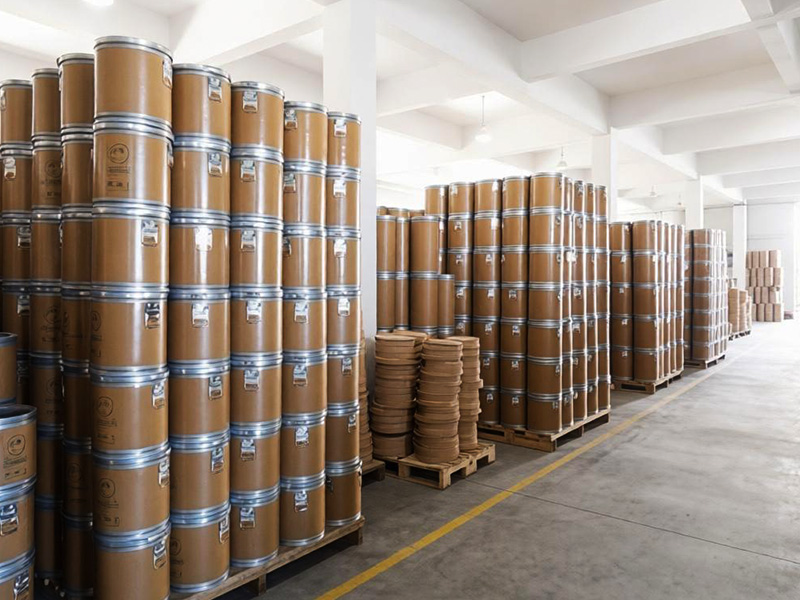
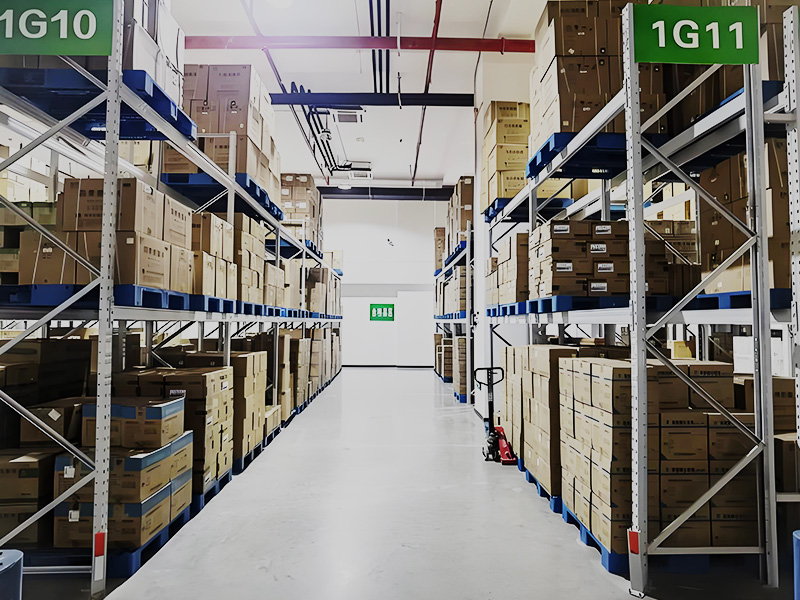
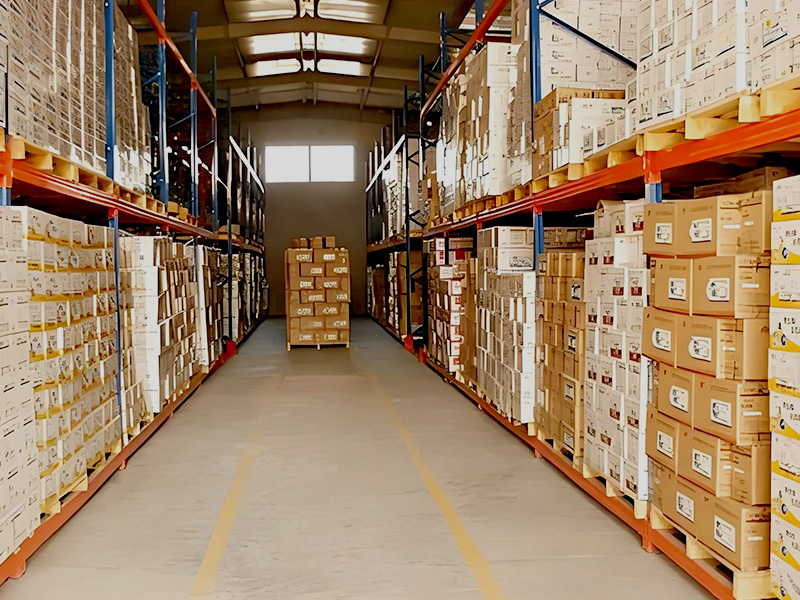
Extensive Ready Stock
Large‑scale standardized warehouse keeps abundant stocks of mainstream pesticide technicals and formulations for fast order delivery.

Efficient and reliable delivery
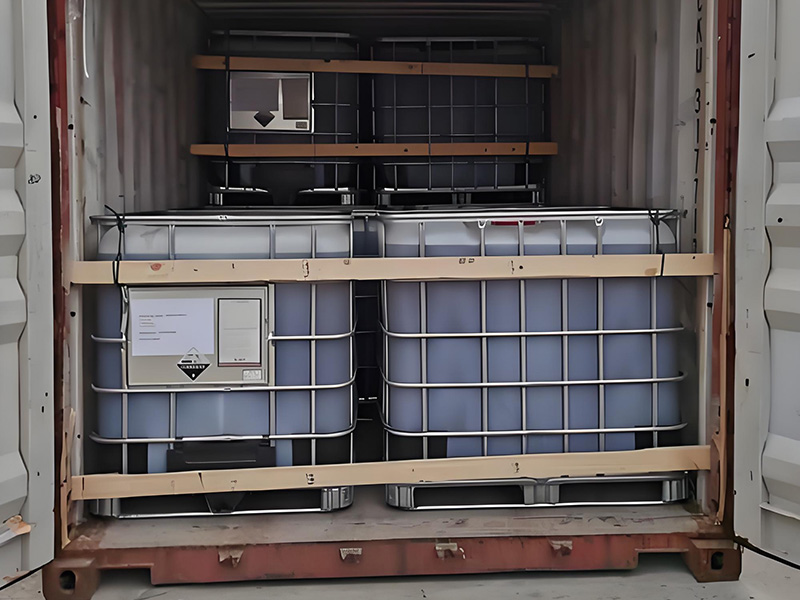
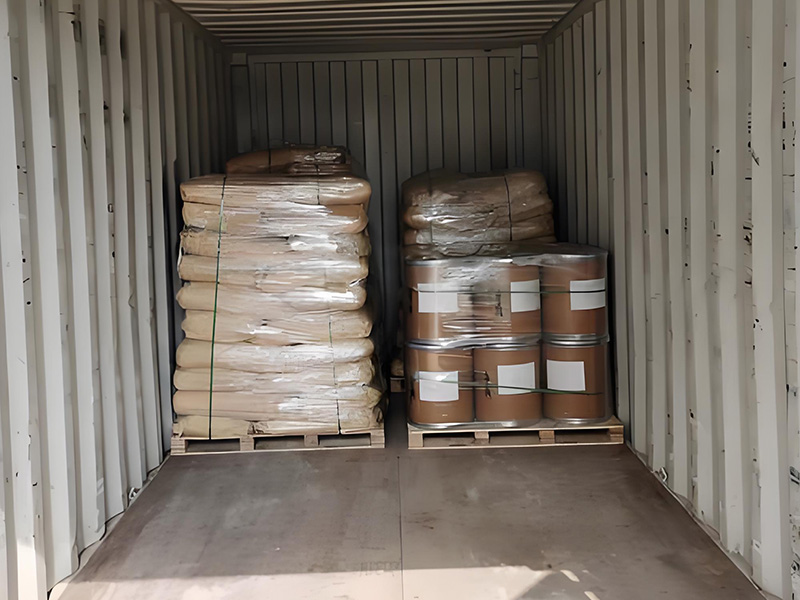
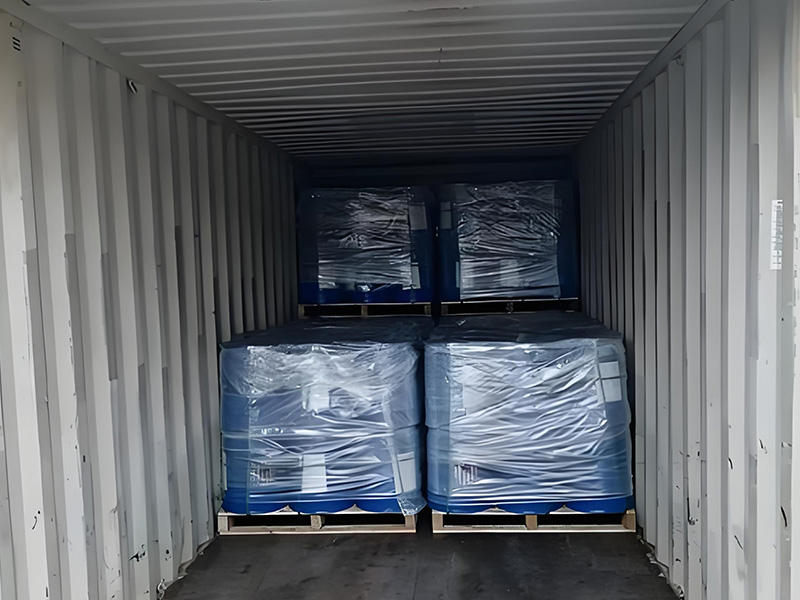
We cooperate with mature dangerous‑goods freight forwarders to realize stable sea shipment and on‑time delivery for global pesticide orders.

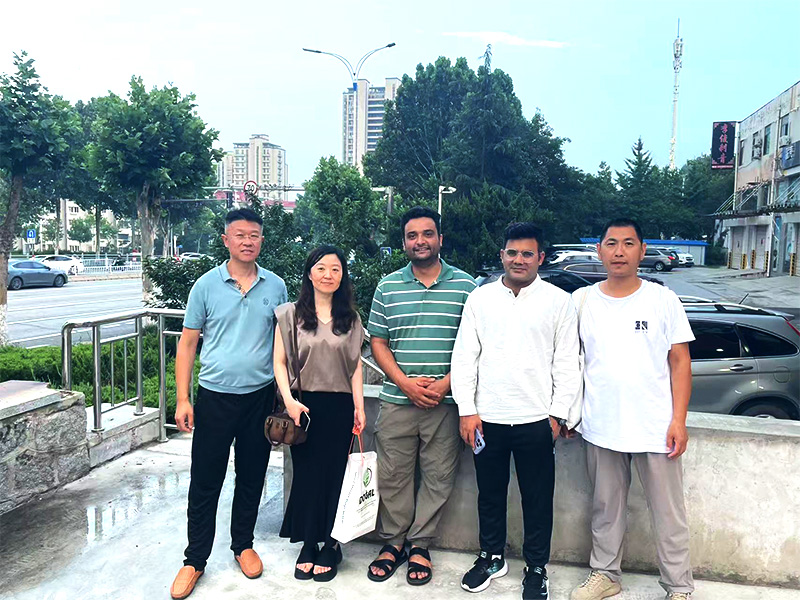
Customer-Oriented Service
Our professional pesticide export team offers 24/7 support, covering inquiry, registration document support, OEM and after-sales technical guidance.