Tomato Solution
Tomato Disease Treatment
1. Tomato Bacterial Leaf Spot
The pathogen is Pseudomonas syringae pv. tomato pathogenic type (scientific name: Pseudomonas syringae pv. tomato), a bacterium.
Symptoms:
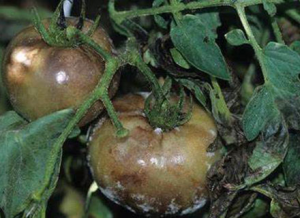
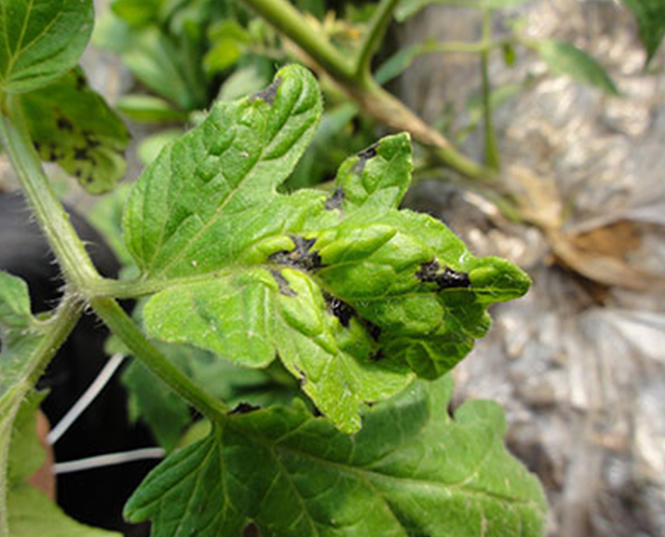
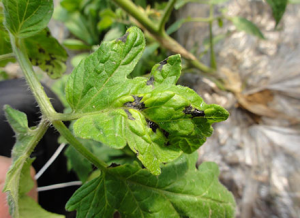
Mainly damages leaves, stems, flowers, petioles and fruits, especially leaf margins and immature fruits. The flakes produce dark brown or black dots surrounded by yellow halos. Stem infestation also produces black spots, but generally no halos. When the fruit is diseased, slightly raised green dots appear at first, and then the green dots turn brown and concave.
2. Tomato Grey mold
The pathogen is Fulvia fulva (Cooke), belongs to Deuteromycotina Deuteromycotina, which also called Cladosporium fulvum Cooke.
Symptoms:
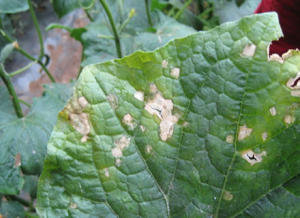
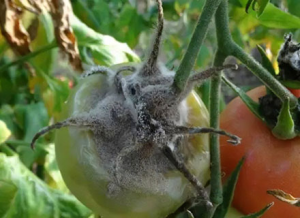
Tomato leaf mold mainly damages the leaves, and also damages the stems, flowers and fruits in severe cases. In the early stage, yellow-green spots with inconspicuous edges appear on the front of the leaves, and a gray-white mold layer appears on the back of the leaves, and then the mold layer turns light brown to dark. Brown; when the humidity is high, the lesions on the leaf surface can also grow a mold layer. The disease often starts from the lower leaves and gradually spreads upwards. When the disease is serious, the mold layer covers the back of the leaves, the leaves are curled, and the whole leaves are yellow-brown and dry. Similar lesions can also occur on young stems and fruit stalks, and flower organs are prone to fall off. The fruit is diseased, black round or irregular plaques are formed near the fruit pedicle or on the fruit surface, hardened and depressed, and cannot be eaten.
3. Tomato Early Blight
Tomato early blight are also known as ring rot and summer blight. It is caused by the infection of Alternaria solanacearum, which belongs to Genus Deuteromycota, Alternaria fungi.
Symptoms:
Tomato early blight can attack leaves, stems and fruits.
The leaves are damaged with small dark brown or black round or oval spots at first, gradually expanding, reaching 1 to 3 cm, with dark brown edges, grayish brown centers, and concentric rings. When the weather is humid, black mold grows on the lesions, that is, conidia and conidia. The disease usually starts from the lower leaves of the plant and gradually spreads upwards. When the disease is severe, the lower leaves of the plant are completely withered.
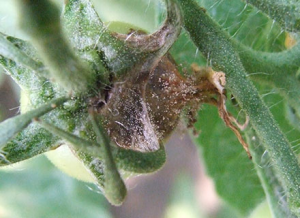
Stem lesions mostly occur on branches, gray-brown, oval, slightly sunken, and also have concentric rings. In severe cases, it can cause broken branches. Seedlings often develop on stems close to the ground, with dark brown lesions. In the later stage of the diseased plants, the stems are often covered with dark brown spots, so it is called “black feet”.
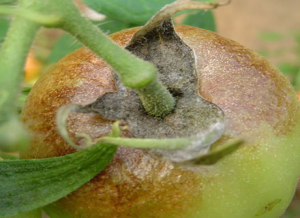
The disease spots on the fruit mostly occur near the pedicle and where there are cracks. They are shaped or nearly circular, brown or dark brown, slightly sunken, and also have concentric rings on which black molds grow. Diseased fruits often fall off early.