 SEAL
SEAL
Beta-cyfluthrin
Over the past twenty years, we have been deeply involved in pesticide research and technological achievements. Focusing on pesticide research and development, production, and sales, providing reliable agricultural protection solutions for domestic and international markets.
CAS 68359-37-5
EINECS 269-855-7
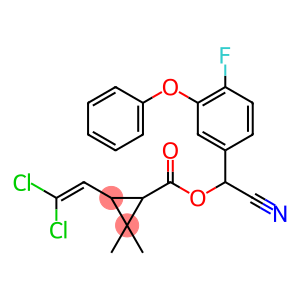
Chemical formula: C22H18Cl2FNO3
Molecular weight: 434.29
InChI InChI=1/C22H18Cl2FNO3/c1-22(2)15(11-19(23)24)20(22)21(27)29-18(12-26)13-8-9-16(25)17(10-13)28-14-6-4-3-5-7-14/h3-11,15,18,20H,1-2H3
InChIKey QQODLKZGRKWIFG-UHFFFAOYSA-N
Density 1.3336 (estimate)
Melting point: 60°C
Boiling point: 496.3±45.0 °C (Predicted)
Flash point: 253.9°C
Water solubility: 0.002-0.003 mg l-1 (20 °C)
Vapor pressure: 1-8×10⁻⁸ Pa (20 °C)
Refractive index nD23: 1.5511
Storage conditions: Sealed in dry, Room Temperature
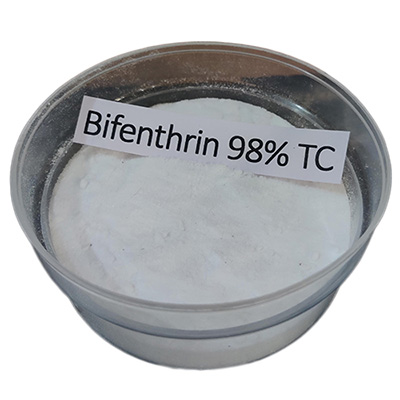
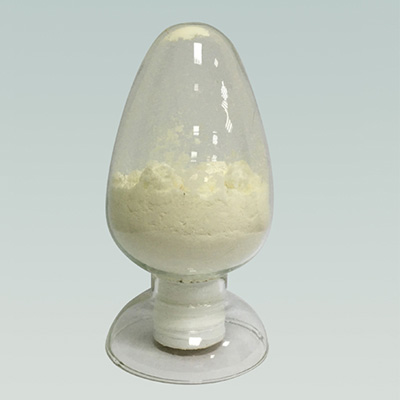
Appearance: Neat and tidy
Merck 13,2785
BRN 2788149
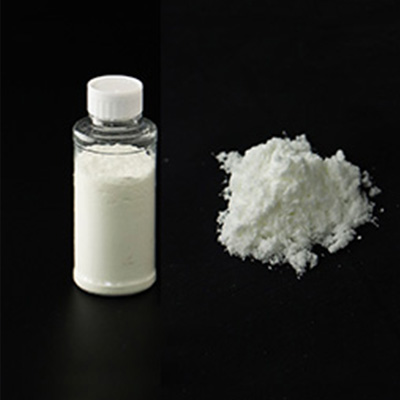
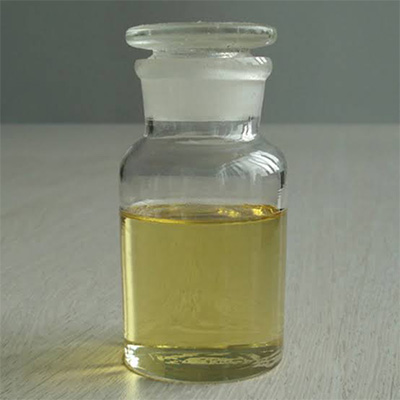
Physical and Chemical Properties: The technical material is a brown viscous liquid with a relative density of 1.27~1.28. At 20°C, the vapor pressure > 1.33×10⁻⁸ Pa, and the volatility rate is 0.3 μg/m3 (at 40°C). It is soluble in organic solvents such as acetone, ether, toluene, and dichloromethane; slightly soluble in alcohol, insoluble in water. Stable for acidic and sunlight conditions, but unstable in alkaline environments with pH above 7.5. Enantiomer (S,1R-cis-R, 1S-cis-) m.p. 81°C, vapor pressure 10×10-9 Pa (20°C). Solubility at 20°C: toluene, dichloromethane > 200 g/L, isopropanol 5~10 g/L, hexane 2~5 g/L, water 0.005 mg/L. Enantiomer (S,1R-trans-R,1S-trans-) m.p. 106°C, vapor pressure 90×10-9 Pa (20°C), solubility at 20°C: toluene, dichloromethane, >200g/L, isopropanol 2~5g/L, hexane 1~2g/L, water 0.002mg/L.
How to use
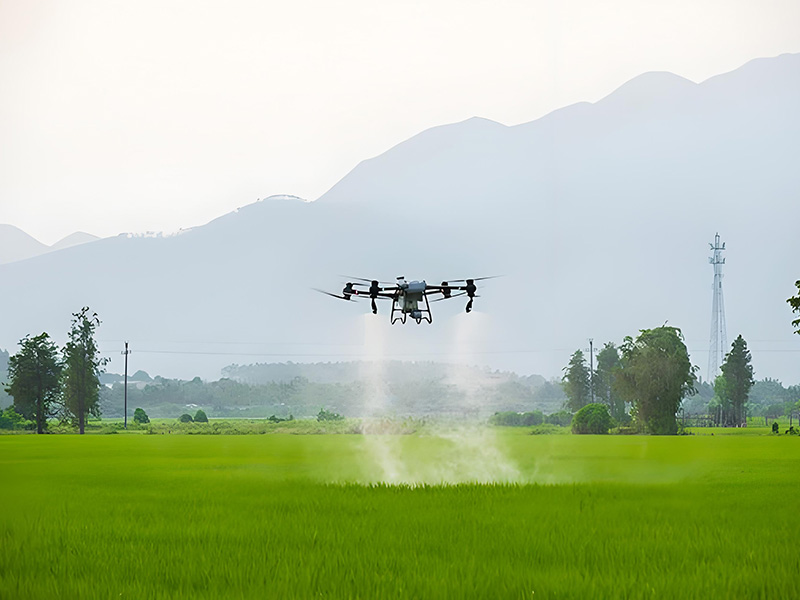
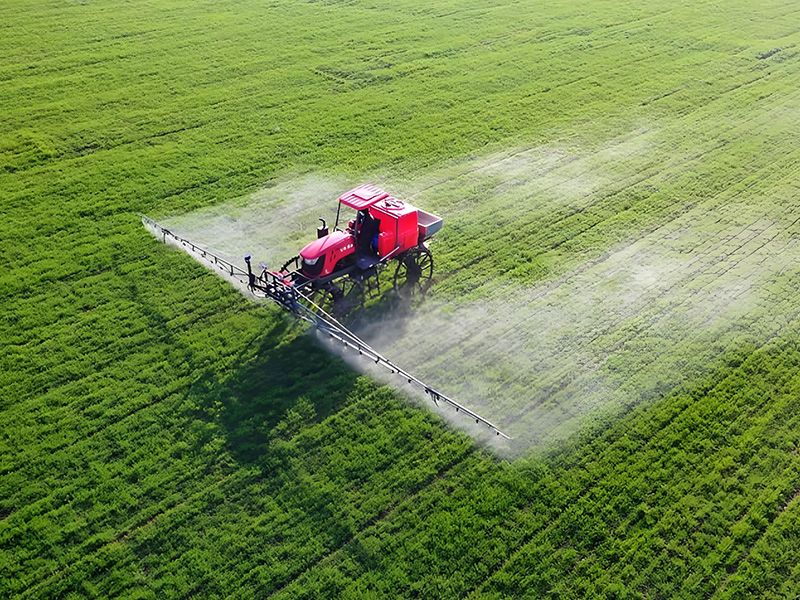
1. Drilling pests: Such as rice borers, leafroller borers, cotton bollworm, etc. During the egg-to-egg hatching period, before larvae burrow into crops, spray water with a 2.5~emulsifiable concentrate diluted 1500~2000 times for control, evenly spraying the pesticide onto the pest-infested areas.
2. Fruit tree pests: For controlling peach fruit borers, spray 2.5% emulsifiable concentrate diluted 2,000~4,000 times, or spray with 2.5% emulsifiable concentrate 25~500mL per 100L of water. Controls the golden striped moth. During peak adult emergence or egg hatching period, apply 2.5% EC diluted 1000~1500 times, or add 50~66% 2.5% EC per 100L of water. 7mL spray.
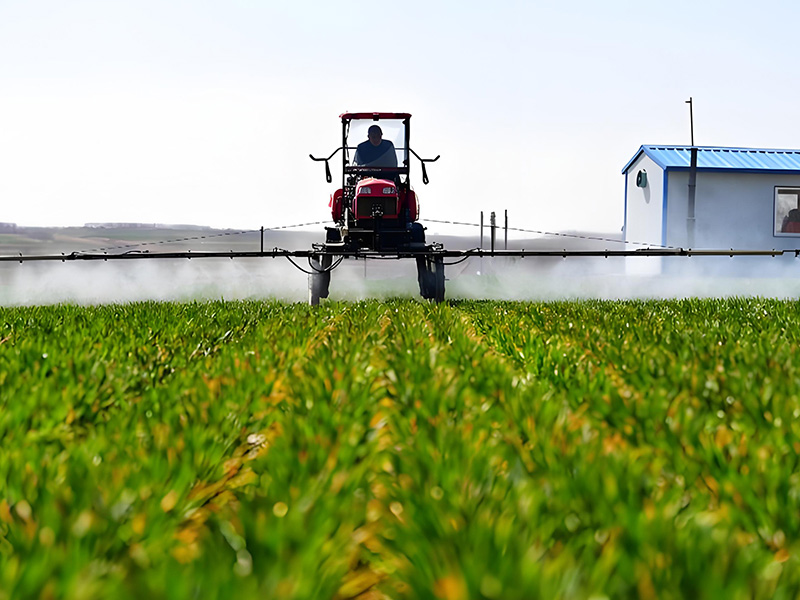
3. Vegetable pests: To control cabbage worms, control must be done before larvae reach 3rd instar. On average, each cabbage plant has one worm to start pesticide application, spraying 2.5% emulsifiable concentrate at 26.8~33.2 mL/667m2 with 20~50 kg of water. Aphids must be controlled before major outbreaks, with spraying the solution evenly on the pest body and affected areas.
4. Underground pests: For grubs, mole crickets, needle worms, and cutworms, or wheat seeds, mix seeds with 80~160mL of 12.5% suspension agent. When mixing seeds, first mix the required solution with water, then pour in the seeds and stir evenly so the pesticide coats the seeds evenly. Pile and let it sit for 2~4 hours before sowing. It can control underground pests.

Quality Assurance
We strictly follow FAO standards, implement full‑process quality inspection and provide official COA & MSDS for every batch of pesticide products.

Strict quality control
Full-process inspection, the products meet both domestic and international quality standards.

Factory Direct Competitive Pricing
Direct supply from original pesticide manufacturer cuts intermediate links to offer you cost‑effective technical materials and finished formulations.

Extensive Ready Stock
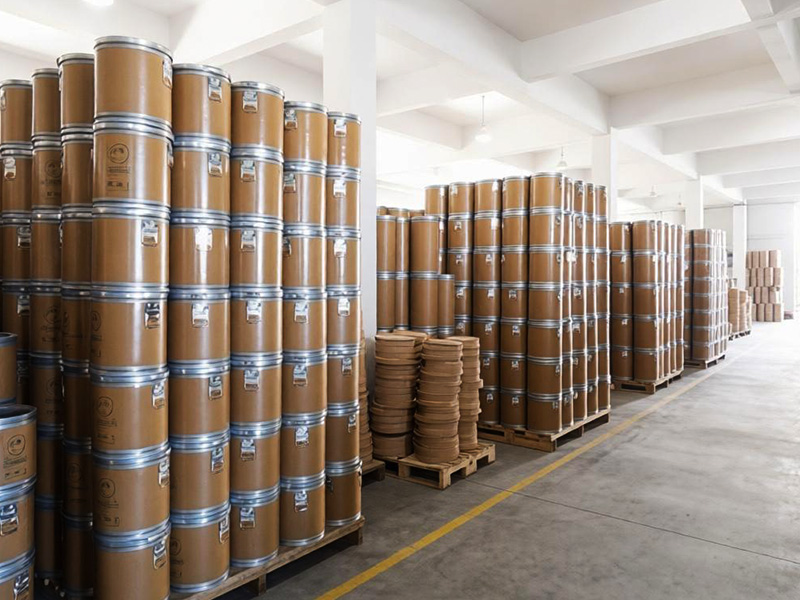
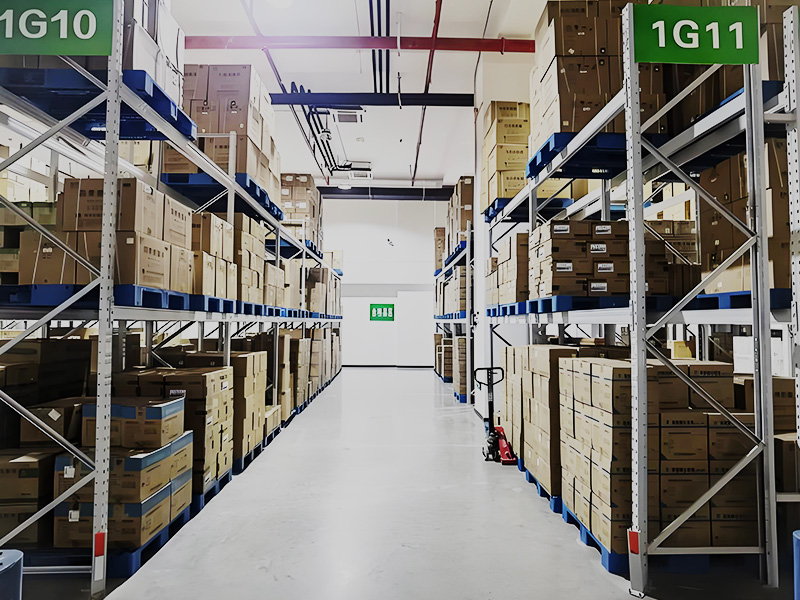
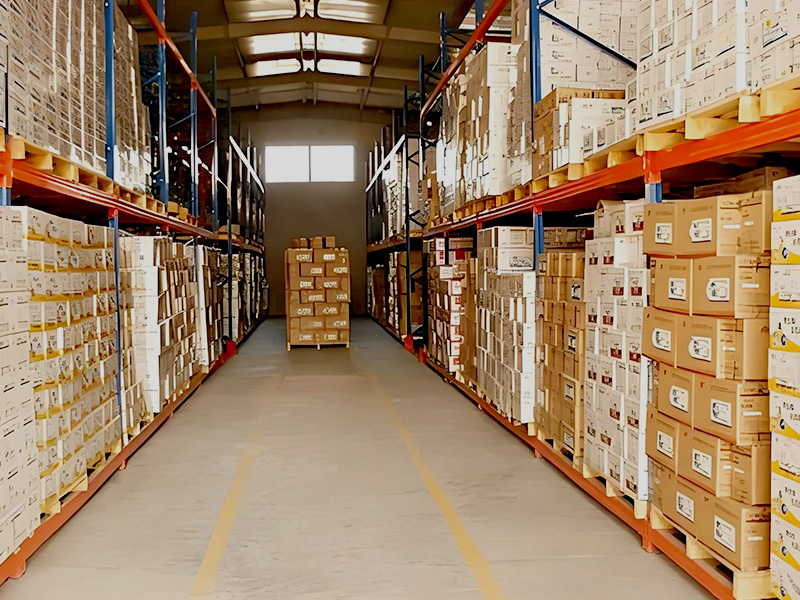
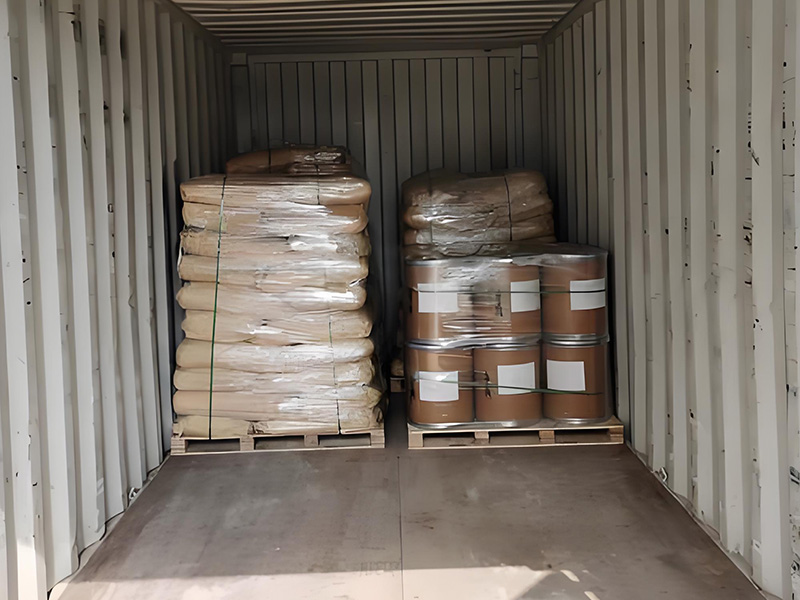
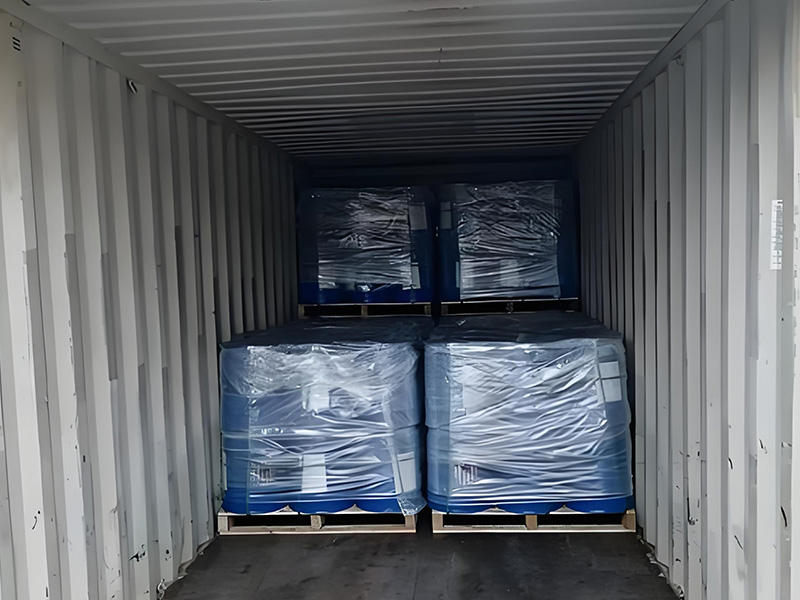
Large‑scale standardized warehouse keeps abundant stocks of mainstream pesticide technicals and formulations for fast order delivery.

Efficient and reliable delivery
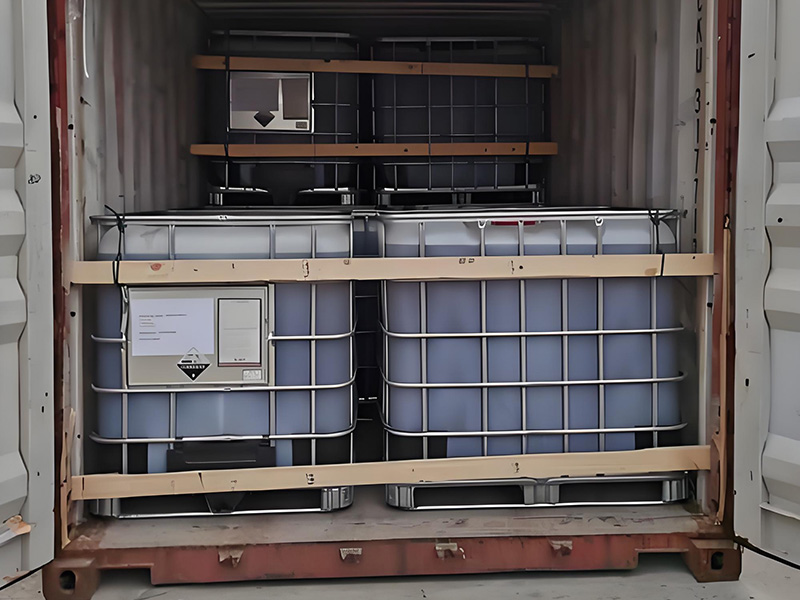
We cooperate with mature dangerous‑goods freight forwarders to realize stable sea shipment and on‑time delivery for global pesticide orders.

Customer-Oriented Service
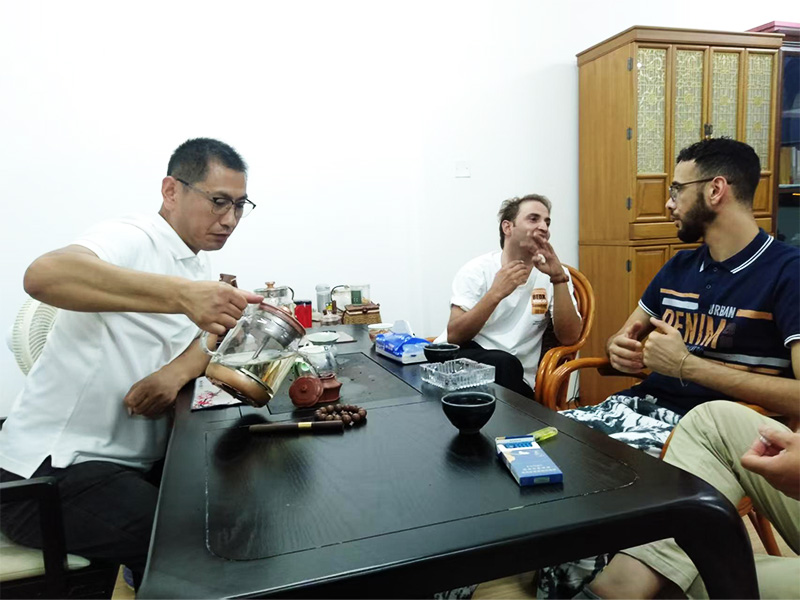
Our professional pesticide export team offers 24/7 support, covering inquiry, registration document support, OEM and after-sales technical guidance.