 SEAL
SEAL
Boric Acid
Over the past twenty years, we have been deeply involved in pesticide research and technological achievements. Focusing on pesticide research and development, production, and sales, providing reliable agricultural protection solutions for domestic and international markets.
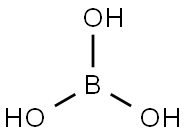
Foreign Name: Boric acid
Chemical Formula: H3BO3
Molecular Weight: 61.833
CAS Number: 10043-35-3
EINECS Number: 233-139-2
Melting Point: 170.9 ℃ [1]
Water Solubility: 49.5 g/L (20℃)
Density: 1.435 g/cm³
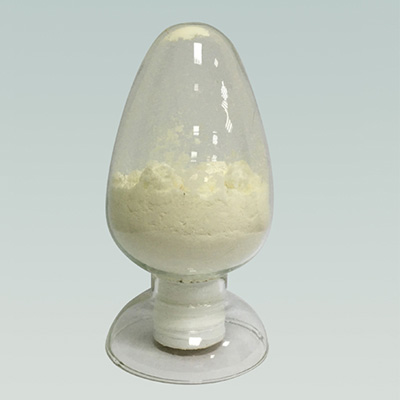
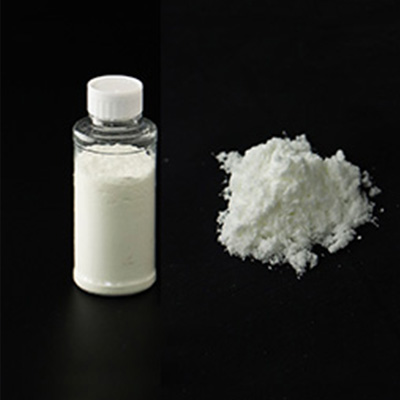
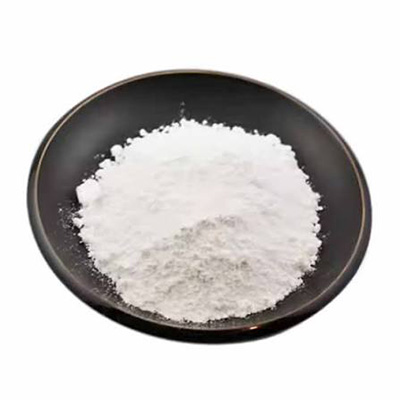
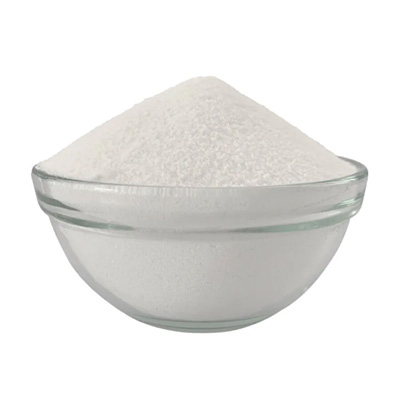
Appearance: White crystalline powder
Uses: Boric acid is mainly used in the pesticide field as a functional adjuvant, active ingredient, and trace element supplement, with good safety and environmental compatibility.
1. As an insecticidal active ingredient
Boric acid has stomach toxicity against crawling pests such as cockroaches, ants, and termites. Its mechanism is that when pests come into contact with or ingest it, it grinds down their mouthparts and digestive tract, interferes with their metabolism, and ultimately leads to death. Boric acid insecticides are usually processed into baits, powders, or gels, suitable for controlling sanitary pests.
2. As a preservative and synergist
Boric acid inhibits microbial growth and can be used as a preservative in pesticide formulations to extend shelf life. At the same time, it can disrupt symbiotic microorganisms in some pests’ digestive systems, showing synergistic effects when combined with certain chemical insecticides.
3. As foliar fertilizer and trace element supplement
Boron is an essential trace element for plants. Boric acid, as a boron source, is widely used to make boron-containing foliar fertilizers and water-soluble fertilizers to prevent and treat physiological diseases caused by boron deficiency in crops, such as “flowers without fruit,” “flower and fruit drop,” and “shrunken fruit,” promoting pollen germination, pollen tube growth, and fruit setting.
4. As an adjuvant in pesticide formulations
Boric acid and boric acid salts are used as pH buffers and stabilizers in certain pesticide formulations, helping maintain acid-base balance, reduce active ingredient decomposition, and ensure product stability.
5. Industrial preservation and wood protection
Outside the agricultural field, boric acid is used for wood preservation and industrial mildew prevention, protecting wooden structures from fungi and pests, with some overlap with the pesticide industry.
Mechanism of Action: Stomach toxicity. After pests contact or ingest boric acid, its fine particles grind their body walls and digestive tracts while disrupting energy metabolism, ultimately causing dehydration and death.
Target Pests: Cockroaches, ants, termites, beetles, woodlice, and other crawling sanitary pests.
Precautions:
1. Keep Dry
– Boric acid powder must not be exposed to water or moisture. In humid conditions, it will clump, dissolve, lose adhesion, and significantly reduce effectiveness.
– Ensure the treated area is dry before application and avoid washing with water afterward.
2. Apply Precisely, Not in Large Areas
– Target spots where pests hide and move; do not spray widely in open indoor spaces.
– Thick layers may lead pests to avoid the bait; thinner coverage works better.
3. Keep Away from Children and Pets
– Boric acid is low in toxicity, but ingestion may still cause gastrointestinal discomfort.
– Treatment areas should be out of reach of children and pets; baits must be placed where pets cannot access.
– Store in sealed containers in cool, dry places out of children’s reach.
4. Avoid Contaminating Food and Utensils
– Be very careful in kitchens; avoid contact with utensils, food, or food preparation surfaces.
– Apply only in non-direct contact areas like inside cabinets or under appliances.
5. Protective Measures for Applicators
– Wear gloves and a mask when applying to avoid inhaling dust or skin contact.
– Wash hands and exposed skin thoroughly with soap and water after application.
6. Safe Storage and Disposal
– Store in original sealed containers in a cool, dry, ventilated place, away from food, feed, and fire.
– Dispose of empty containers and leftover product according to local pesticide waste regulations; do not discard randomly or pour into water.
7. Application Tips
– This product acts relatively slowly; effects appear within a few days to a week, which is normal.
– Effective against adult pests, not eggs; in severe infestations, repeat treatment every 2–3 weeks.
– For controlling sanitary pests only; not for crop pest control.

Quality Assurance
We strictly follow FAO standards, implement full‑process quality inspection and provide official COA & MSDS for every batch of pesticide products.

Strict quality control
Full-process inspection, the products meet both domestic and international quality standards.

Factory Direct Competitive Pricing
Direct supply from original pesticide manufacturer cuts intermediate links to offer you cost‑effective technical materials and finished formulations.

Extensive Ready Stock
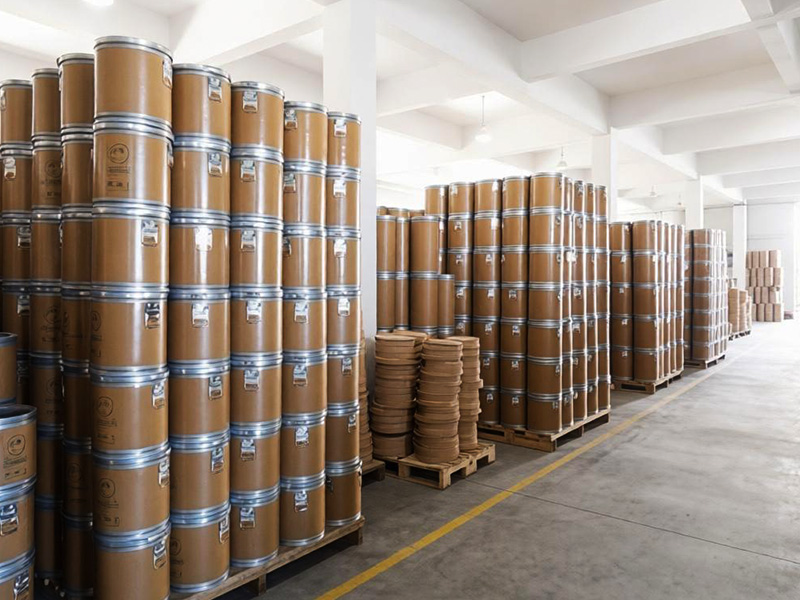
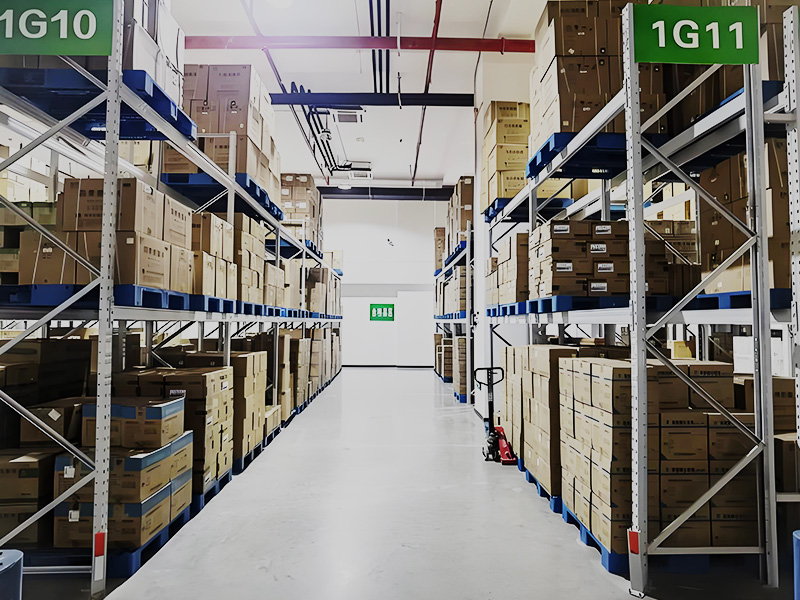
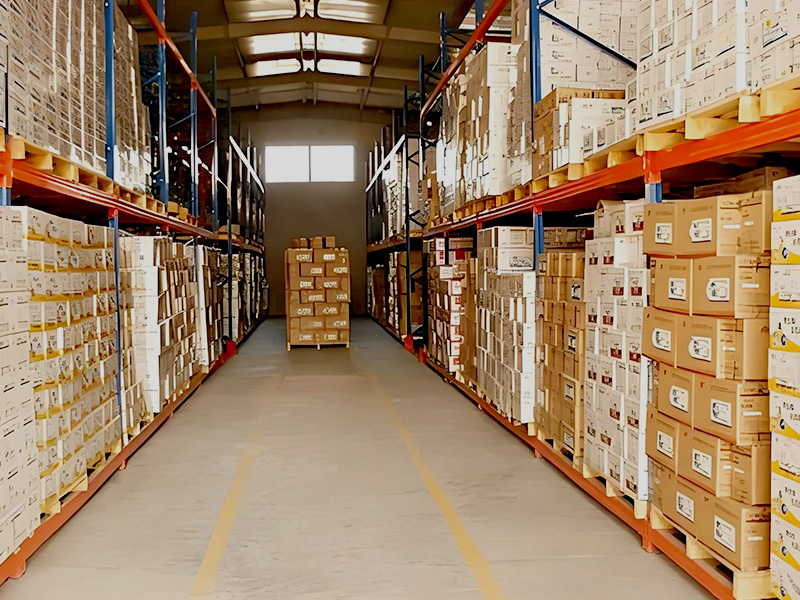
Large‑scale standardized warehouse keeps abundant stocks of mainstream pesticide technicals and formulations for fast order delivery.

Efficient and reliable delivery
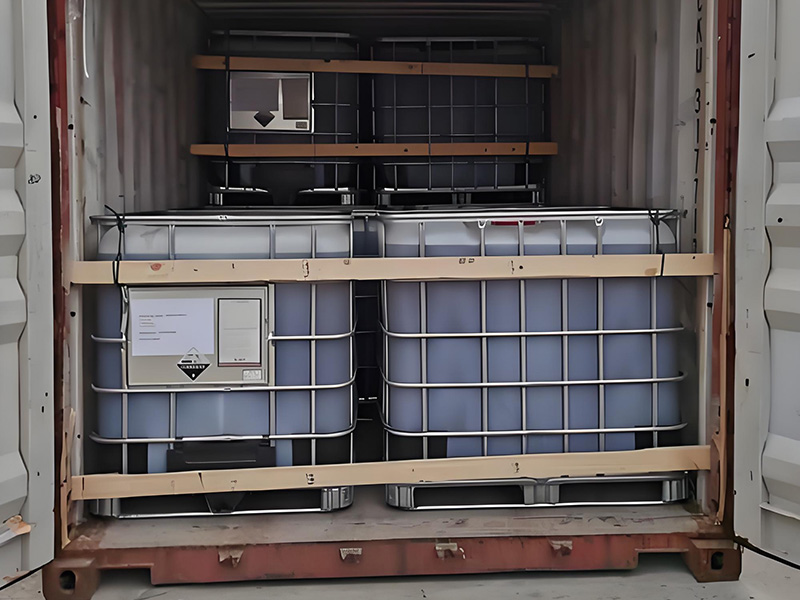
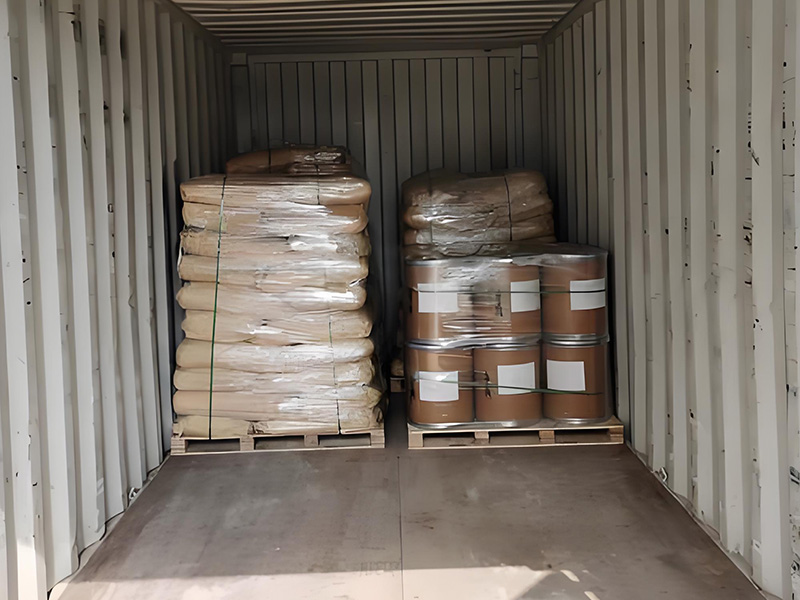
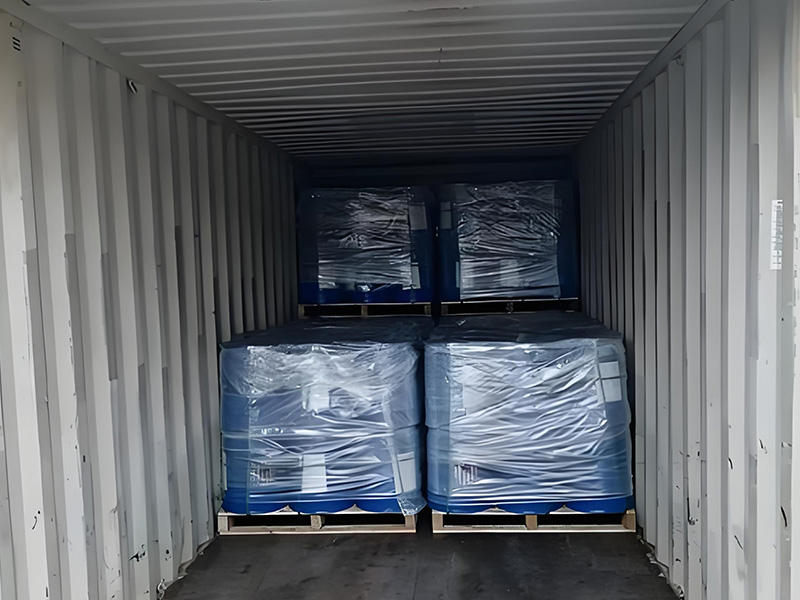
We cooperate with mature dangerous‑goods freight forwarders to realize stable sea shipment and on‑time delivery for global pesticide orders.

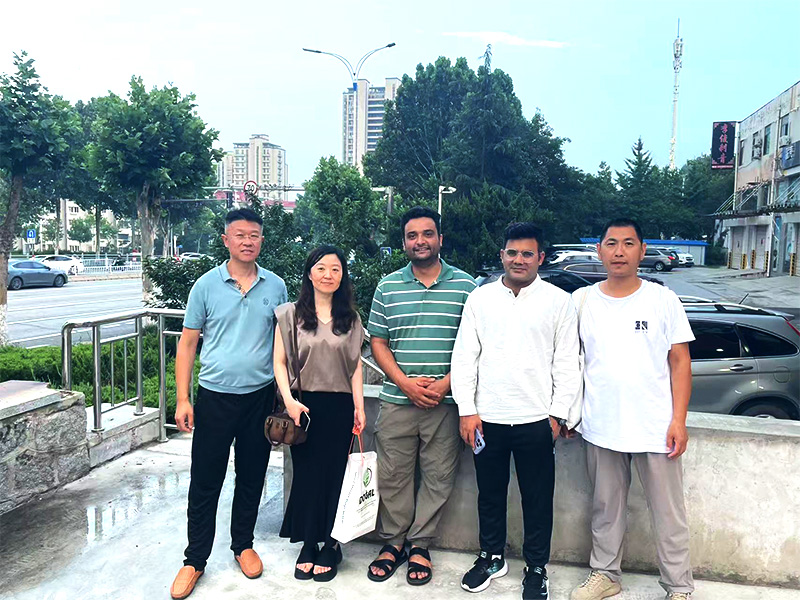
Customer-Oriented Service
Our professional pesticide export team offers 24/7 support, covering inquiry, registration document support, OEM and after-sales technical guidance.