 SEAL
SEAL
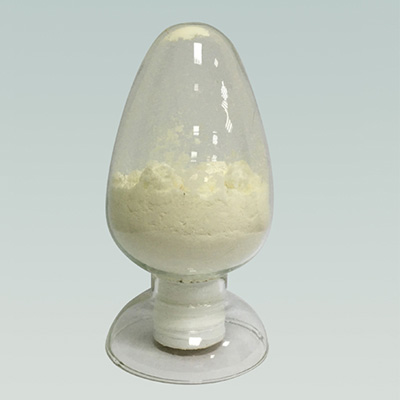
Carbaryl
Over the past twenty years, we have been deeply involved in pesticide research and technological achievements. Focusing on pesticide research and development, production, and sales, providing reliable agricultural protection solutions for domestic and international markets.
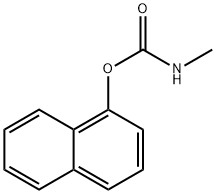
| English Name | Carbaryl |
|---|---|
| CAS Number | 63-25-2 |
| Molecular Formula | C12H11NO2 |
| Molecular Weight | 201.22 |
| EINECS Number | 200-555-0 |
| Mol File | 63-25-2.mol |
| Properties of Carbaryl | |
| Melting Point | 142-146 °C (lit.) |
| Boiling Point | 315°C |
| Density | d2020 1.232 |
| Vapor Pressure | 2 (x 10^-3 mmHg) at 40 °C (Meister, 1988) |
| Refractive Index | 1.5300 (estimate) |
| Flash Point | 202.7°C |
| Storage Conditions | Sealed in dry, room temperature |
| Solubility | Moderately soluble in acetone, cyclohexanone, N,N-dimethylformamide (400–450 g/kg), and isophorone (Windholz et al., 1983; Worthing and Hance, 1991) |
| Acidity Constant (pKa) | 12.02±0.46 (Predicted) |
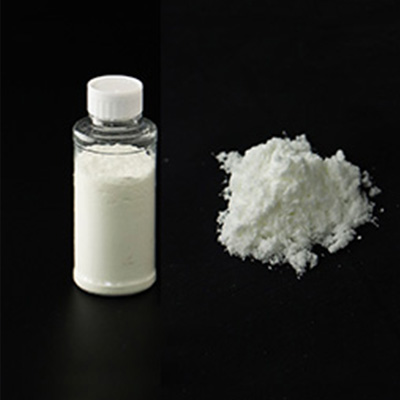
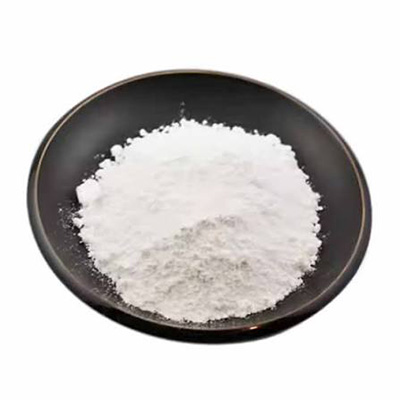
| Form | Crystalline |
| Color | Crystal |
| Water Solubility | Insoluble. 0.00826 g/100 mL |
| Merck | 131794 |
| BRN | 1875862 |
| Henry's Law Constant | (x 10^-5 atmm^3/mol): 1.27 at 20 °C (approximate - calculated from water solubility and vapor pressure) |
Purpose:
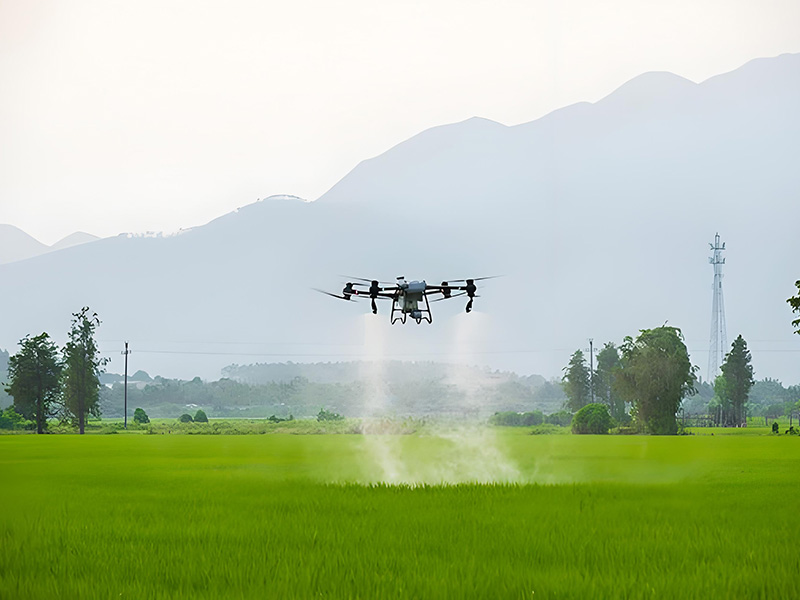
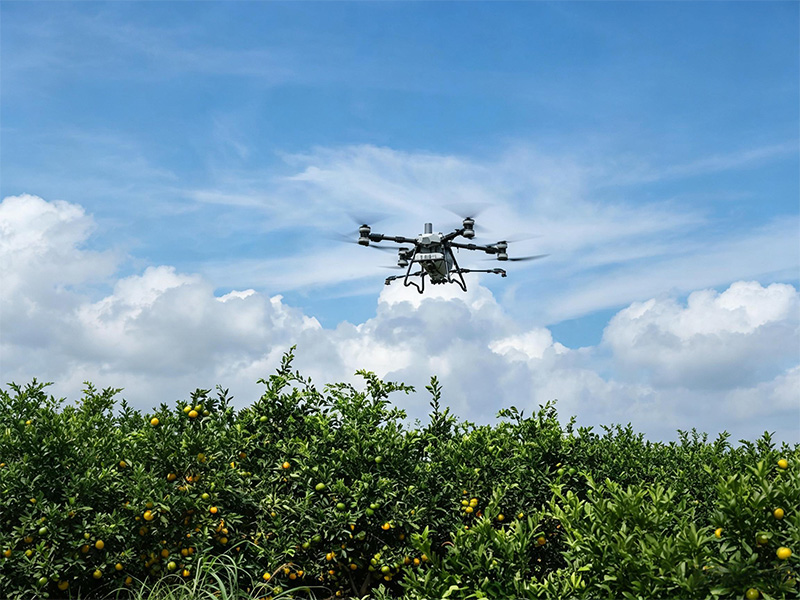
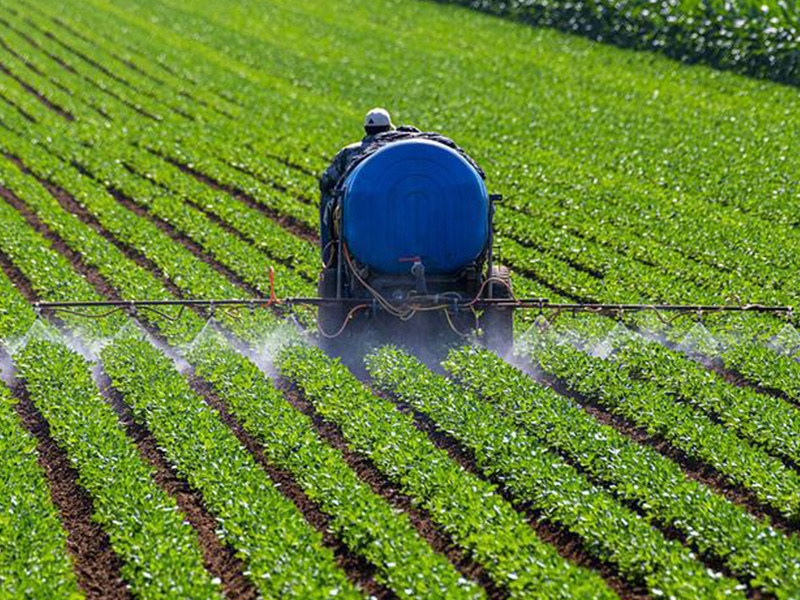
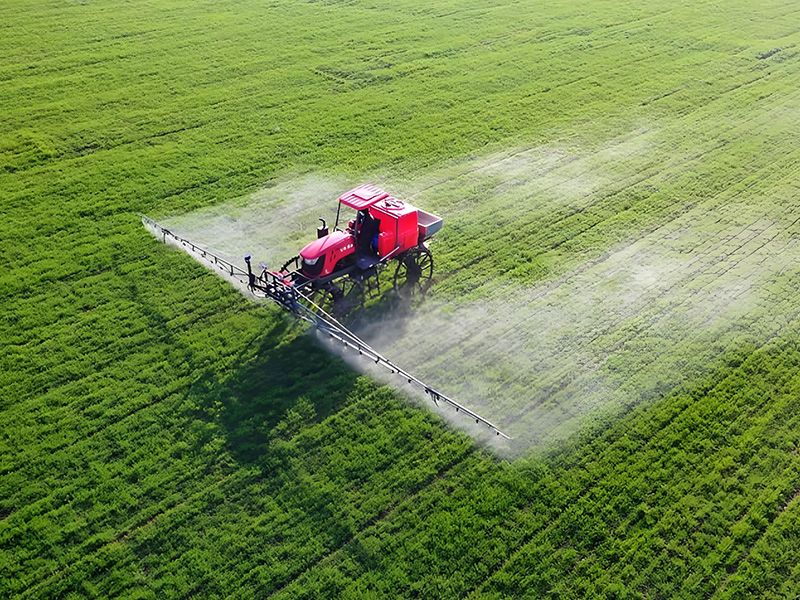
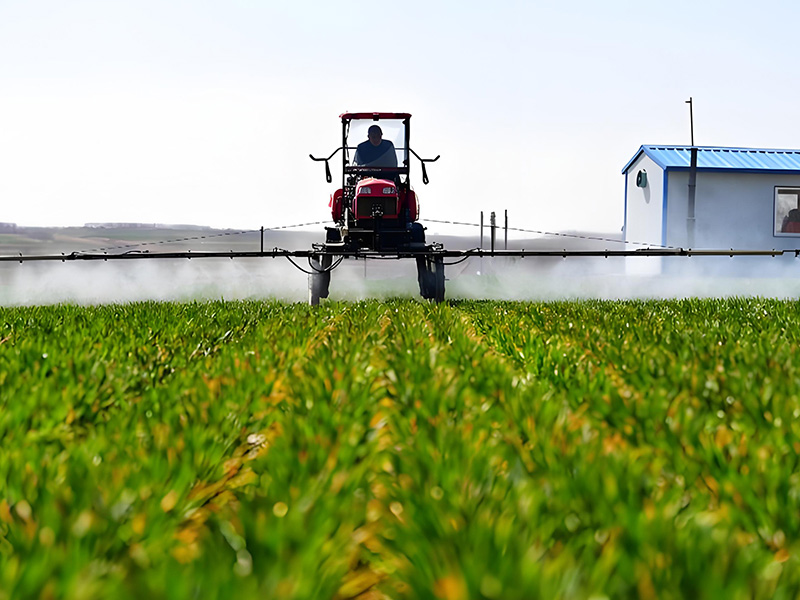
A highly effective, low-toxicity, low-residue, long-lasting broad-spectrum carbamate insecticide. It has a strong contact-killing effect on pests, also works as a stomach poison, and has slight systemic action. It is used to control cotton bollworms, leafrollers, cotton aphids, leafminers, thrips, rice planthoppers, rice leafrollers, rice borers, rice thrips, and fruit tree pests. It can also control garden snails, slugs, and other mollusks. The common dosage is 2.6–20g per 100 m².
Usage
Used to control rice planthoppers, leafhoppers, thrips, bean aphids, soybean pod borers, cotton bollworms, fruit tree pests, and forestry pests.
Usage
This product is a carbamate insecticide with contact and stomach poison effects, slight systemic properties, and can control more than 100 pests on over 150 crops. It can be made into wettable powders or suspension concentrates, used against rice planthoppers, rice leafhoppers, cotton bollworms, soybean pod borers, and fruit tree pests. It works well on insects resistant to organochlorines and organophosphates. The usual dosage is 375–750g active ingredient per hectare. This product should not be mixed with alkaline pesticides. It is highly toxic to bees, so it should not be used in beekeeping areas during the flowering season.

Quality Assurance
We strictly follow FAO standards, implement full‑process quality inspection and provide official COA & MSDS for every batch of pesticide products.

Strict quality control
Full-process inspection, the products meet both domestic and international quality standards.

Factory Direct Competitive Pricing
Direct supply from original pesticide manufacturer cuts intermediate links to offer you cost‑effective technical materials and finished formulations.

Extensive Ready Stock
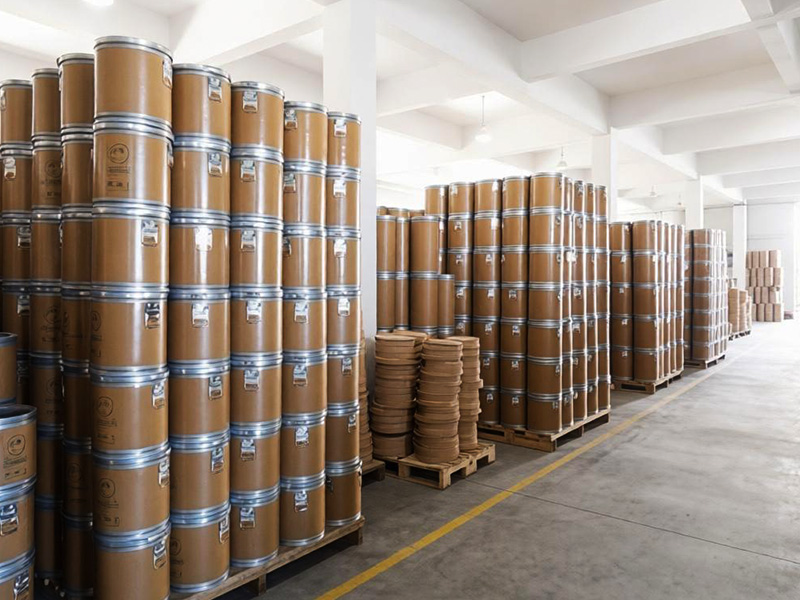
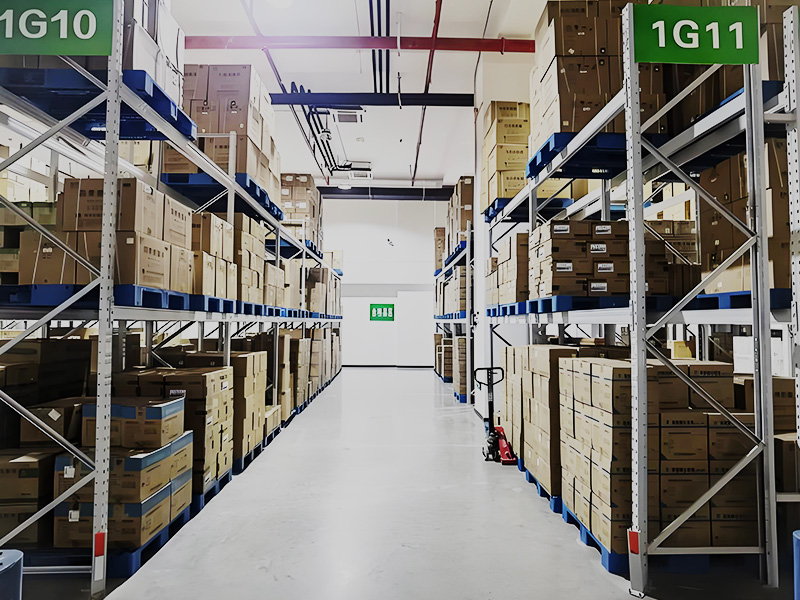
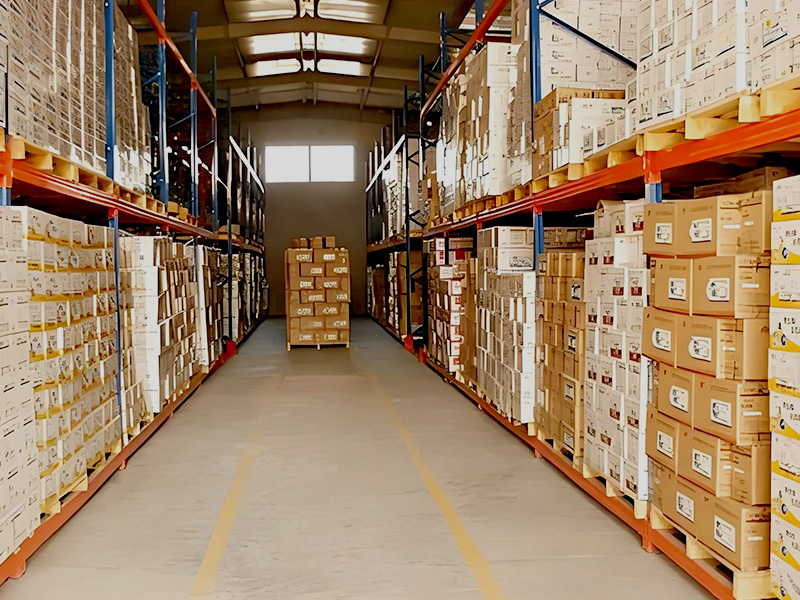
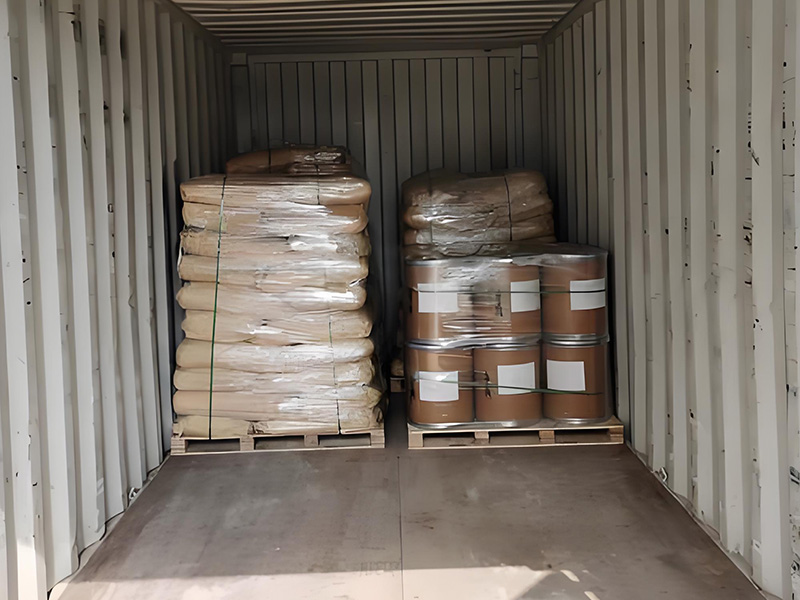
Large‑scale standardized warehouse keeps abundant stocks of mainstream pesticide technicals and formulations for fast order delivery.

Efficient and reliable delivery
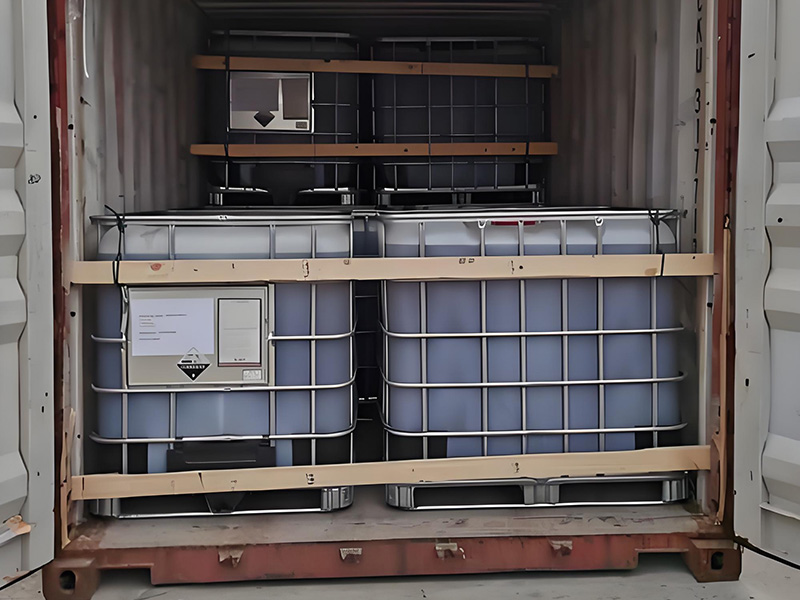
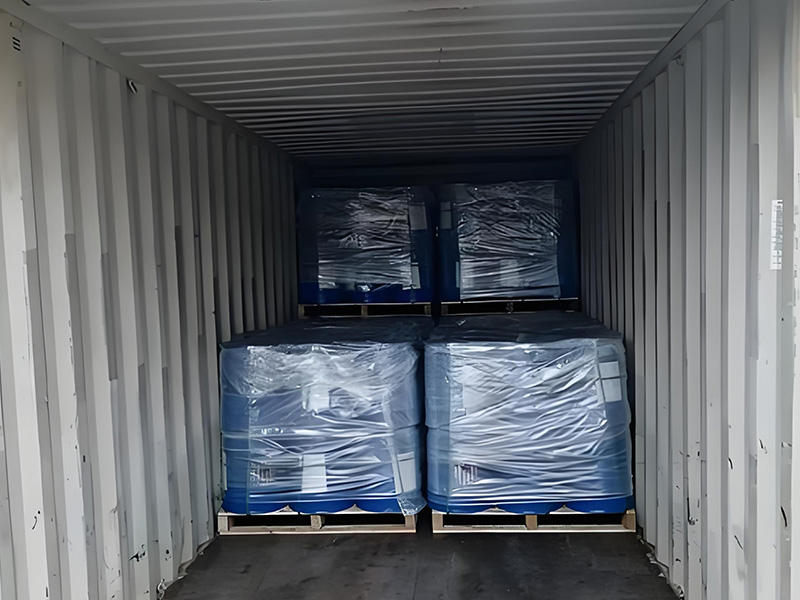
We cooperate with mature dangerous‑goods freight forwarders to realize stable sea shipment and on‑time delivery for global pesticide orders.

Customer-Oriented Service
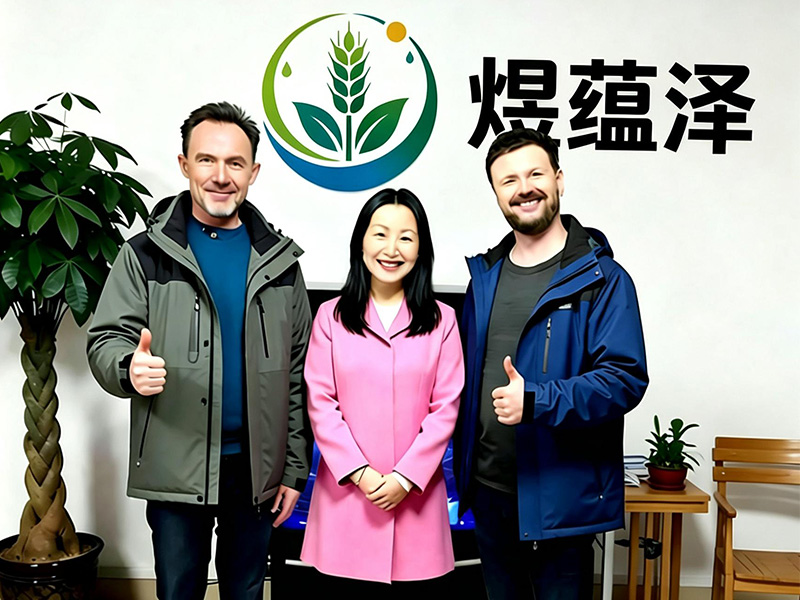
Our professional pesticide export team offers 24/7 support, covering inquiry, registration document support, OEM and after-sales technical guidance.