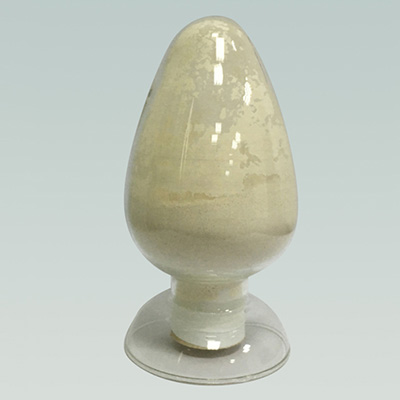
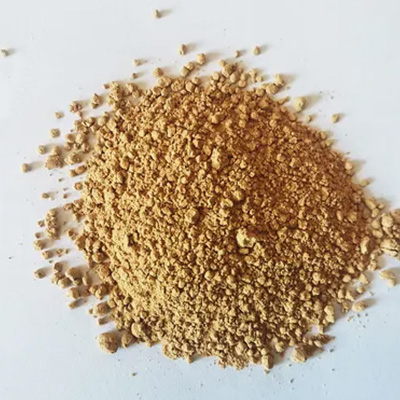
 SEAL
SEAL
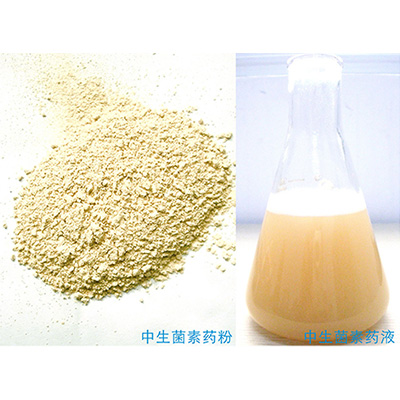
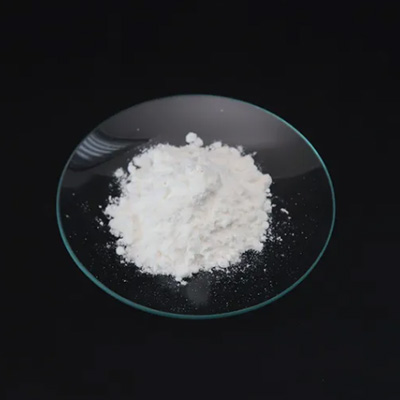
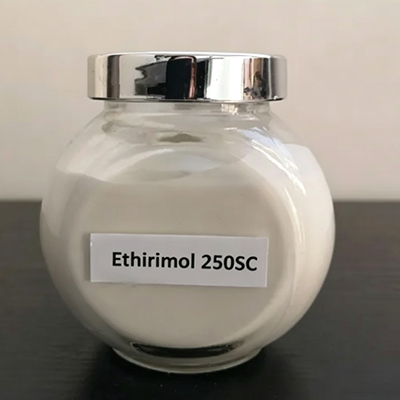
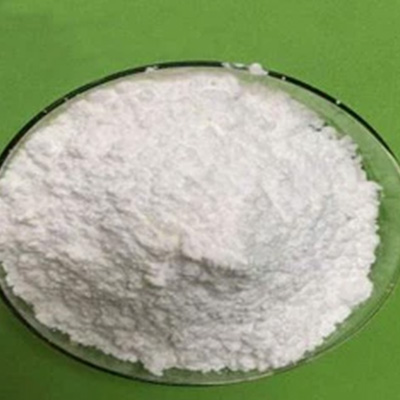
Polyoxin
Over the past twenty years, we have been deeply involved in pesticide research and technological achievements. Focusing on pesticide research and development, production, and sales, providing reliable agricultural protection solutions for domestic and international markets.
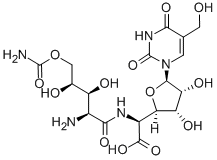
Foreign Name: polyoxin
Other Names: Duoyangmycin, Polyemycin, Duoyangqing
Chemical formula: C17H25N5O13
Molecular weight: 507.40600
CAS Number: 19396-06-6
Density: 1.774 g/cm³
Features
Polyoxin is a metabolite produced by Streptomyces griseus and belongs to the class of broad-spectrum antibiotic bactericides. It has good systemic activity. Its mechanism is to interfere with the synthesis of chitin in the cell walls of pathogens, preventing the cell wall from forming properly and causing the pathogen to die. After fungal hyphae come into contact with the agent, local swelling, rupture, and leakage of intracellular contents occur, stopping normal development and leading to death. Therefore, it also inhibits spore production and lesion expansion.
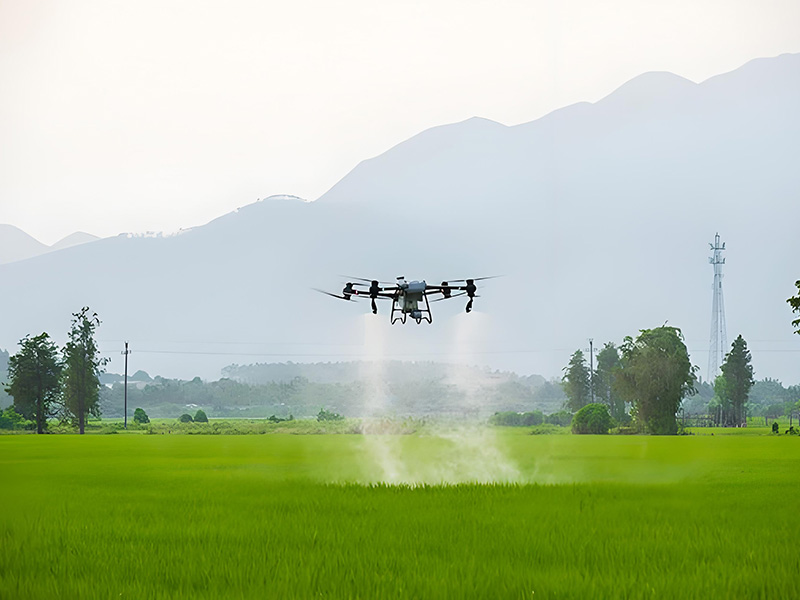
Since polyoxin is an efficient, low-toxicity, and environmentally friendly safe pesticide, it is widely used to control major diseases in grains, specialty crops, fruits, and vegetables. Polyoxin consists of a mixture of structurally similar antibiotics with components labeled A to N14, belonging to the peptidyl nucleoside antibiotic class. Each major component has different effects, so agricultural use is mainly divided into two types: one type primarily contains components a and b, mainly for controlling apple scab, apple blotch, pear black spot, grape gray mold, strawberry, cucumber, melon powdery mildew, downy mildew, ginseng black spot, tobacco red star disease, and more than ten other crop diseases. The other type primarily contains components d, e, and f, mainly for controlling rice sheath blight.
Action
Its mechanism is to interfere with the synthesis of chitin in fungal cell walls, preventing lesion expansion.
Targets
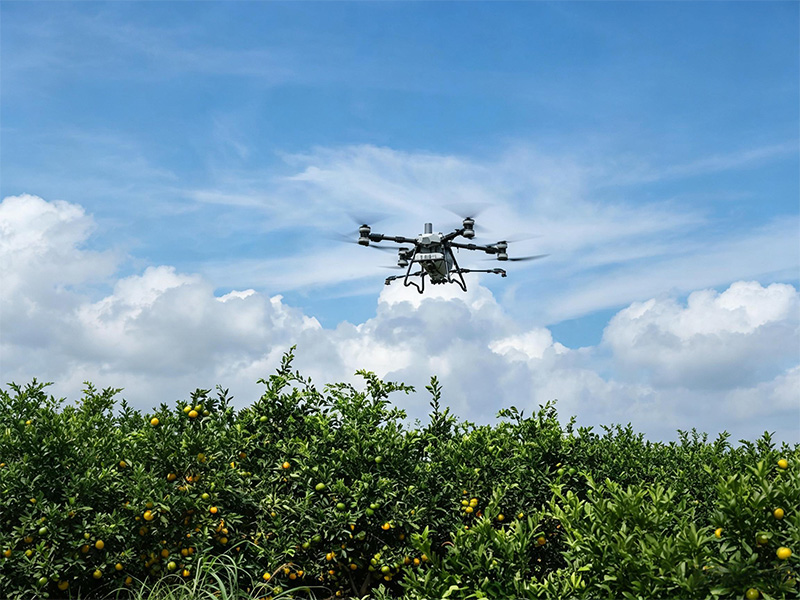
It can control black spot, gray mold, brown spot, and other diseases in flowers and fruit trees.
Usage
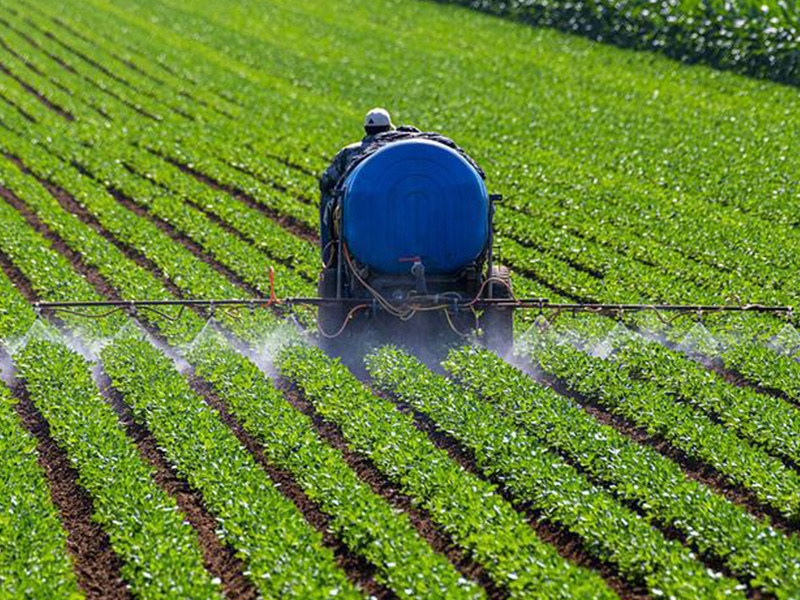
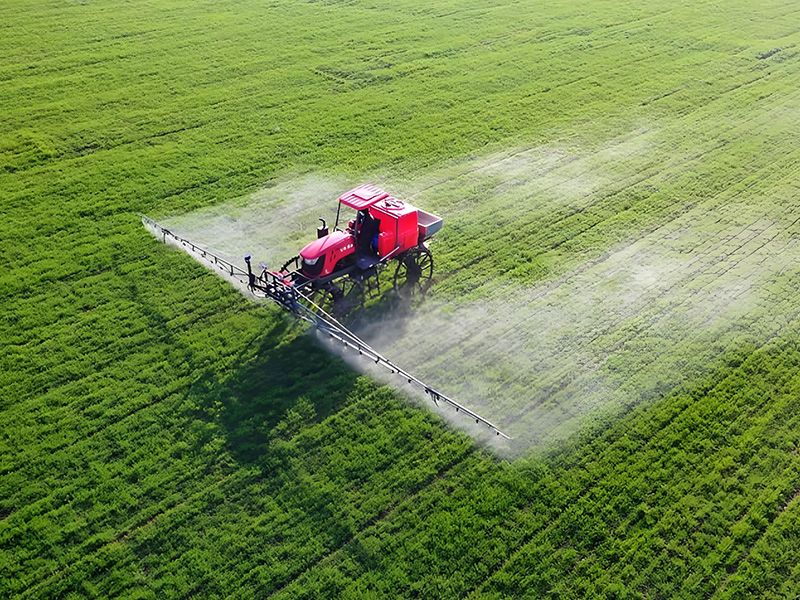
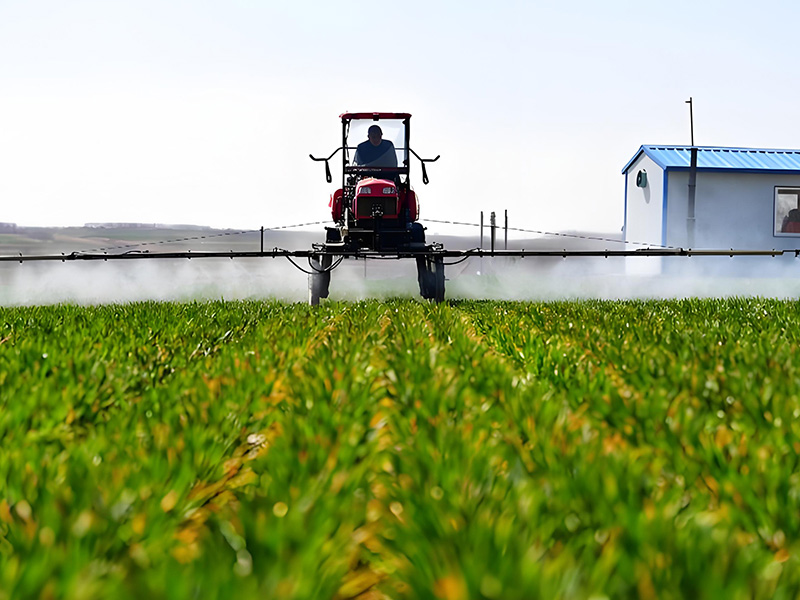
1. Control of ginseng black spot: Use 100 g of 10% wettable powder per mu, mix with 50 kg of water, and spray on ginseng beds. Spray once every 10 days for 3-4 times.
2. Control of strawberry gray mold: Use 100-150 g of 10% wettable powder per mu, mix with 50-75 kg of water, and spray once a week for 3-4 times.
3. Control of apple scab: Use a 10% wettable powder dilute solution at 1,000-2,000 times in the early spring shoot growth stage. Spray once a week, alternating with Bordeaux mixture for better effects.
4. Control of seedling damping-off in vegetables: Use a 10% wettable powder diluted 1,000 times for soil disinfection.
5. Control of cucumber downy mildew and powdery mildew: Use a 2% wettable powder diluted 1,000 times for soil disinfection.
6. Control of tomato late blight: Use a 2% wettable powder 100 ppm solution for spraying.
7. Control of melon wilt: Use a 300 ppm solution for root irrigation.

Quality Assurance
We strictly follow FAO standards, implement full‑process quality inspection and provide official COA & MSDS for every batch of pesticide products.

Strict quality control
Full-process inspection, the products meet both domestic and international quality standards.

Factory Direct Competitive Pricing
Direct supply from original pesticide manufacturer cuts intermediate links to offer you cost‑effective technical materials and finished formulations.

Extensive Ready Stock
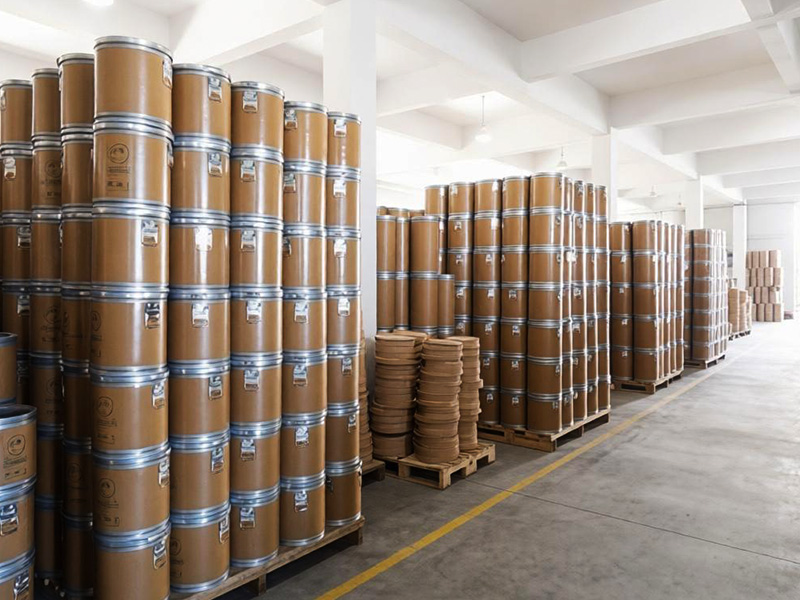
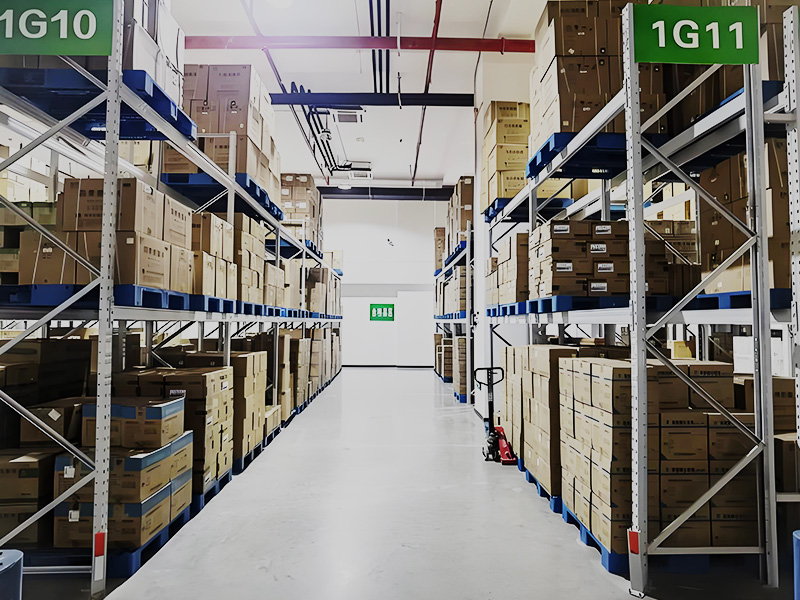
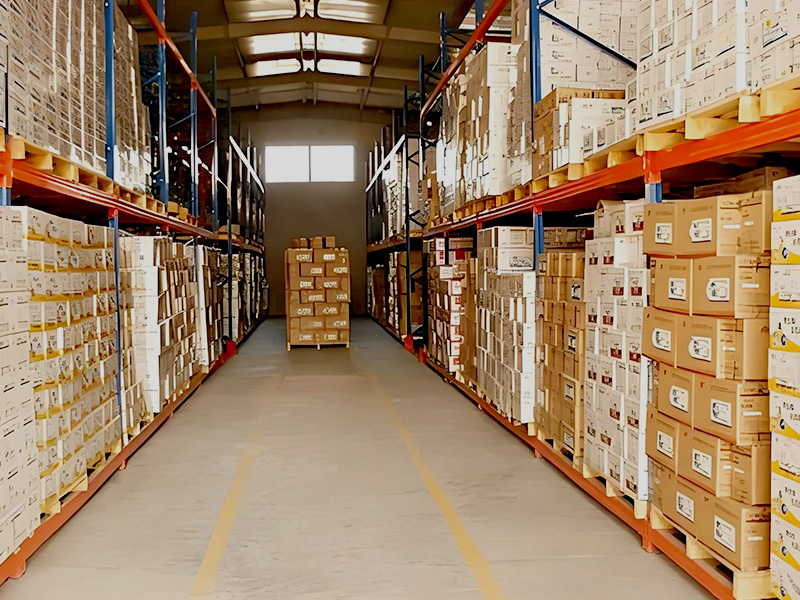
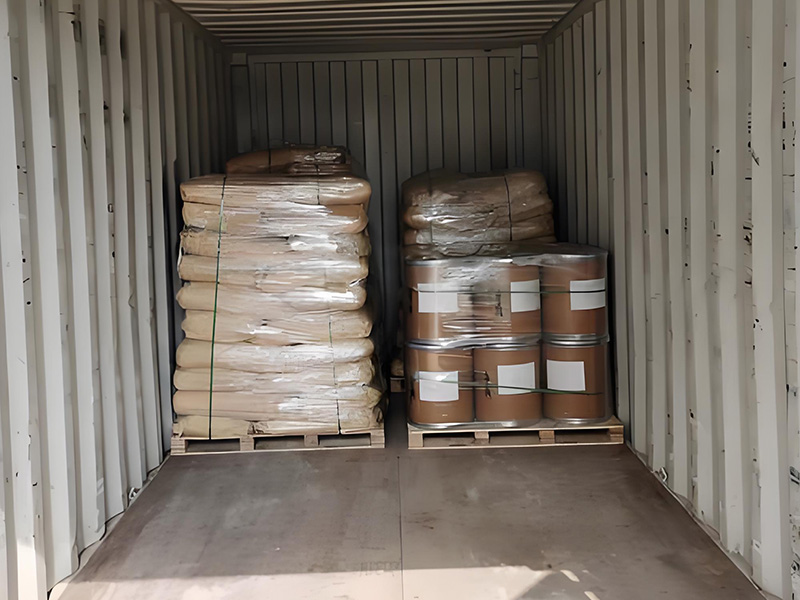
Large‑scale standardized warehouse keeps abundant stocks of mainstream pesticide technicals and formulations for fast order delivery.

Efficient and reliable delivery
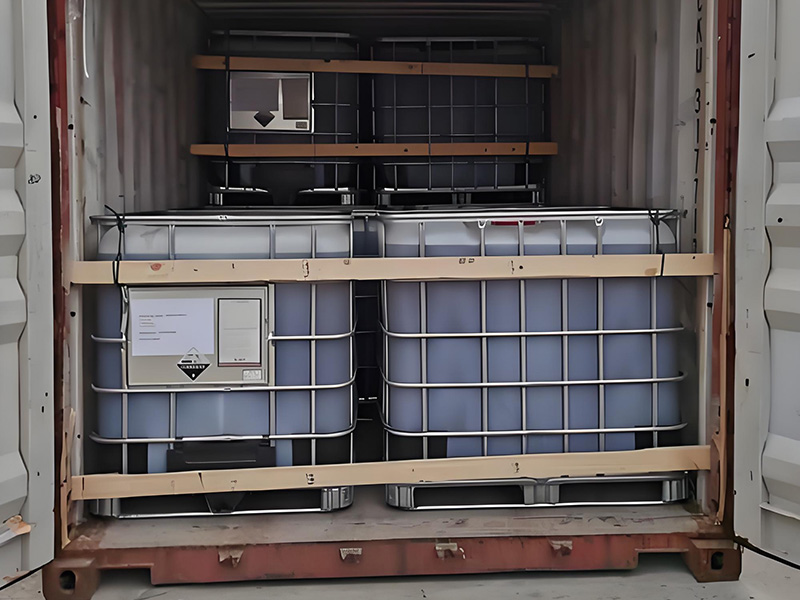
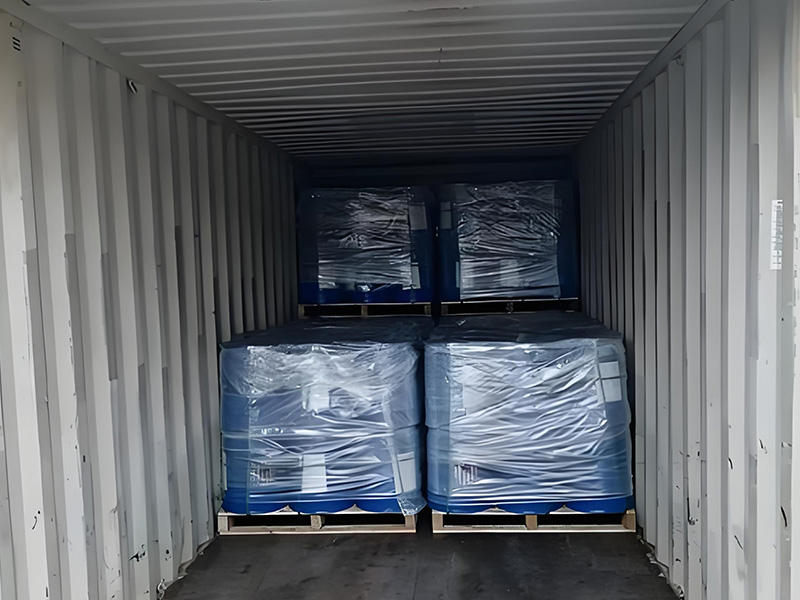
We cooperate with mature dangerous‑goods freight forwarders to realize stable sea shipment and on‑time delivery for global pesticide orders.

Customer-Oriented Service
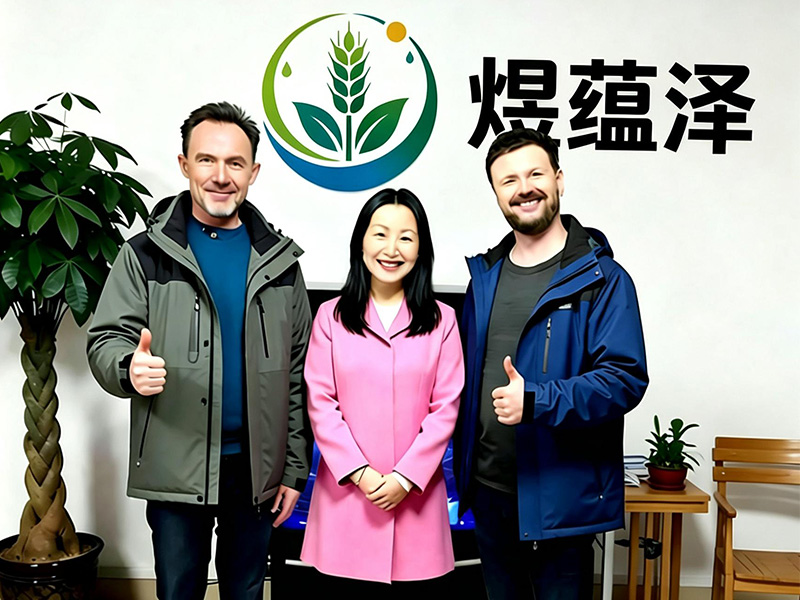
Our professional pesticide export team offers 24/7 support, covering inquiry, registration document support, OEM and after-sales technical guidance.