 SEAL
SEAL
Hexaconazole
Over the past twenty years, we have been deeply involved in pesticide research and technological achievements. Focusing on pesticide research and development, production, and sales, providing reliable agricultural protection solutions for domestic and international markets.
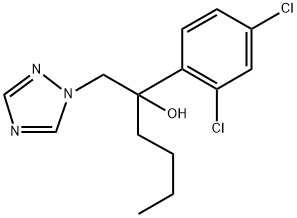
English name: Hexaconazole
CAS number: 79983-71-4
Molecular formula: C14H17Cl2N3O
Molecular weight: 314.21
EINECS number 413-050-7
Mol file 79983-71-4.mol
Melting point: 111°C
Boiling point: 490.3±55.0°C (Predicted)
Density d: 251.29
Vapor pressure: 1.8×10⁻⁶Pa (20°C)
Refractive index: 1.5490 (estimate)
Storage conditions: Inertatmosphere, Room Temperature
Solubility DMSO: soluble; Methanol: soluble
Acidity coefficient (pK Chemical booka) 12.26±0.29 (Predicted)
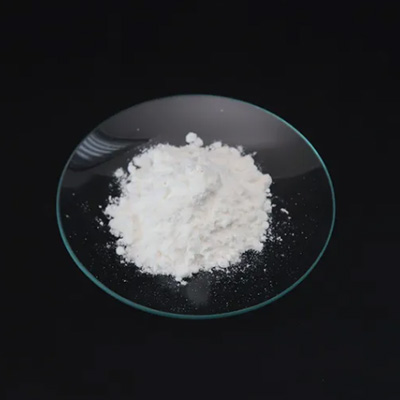
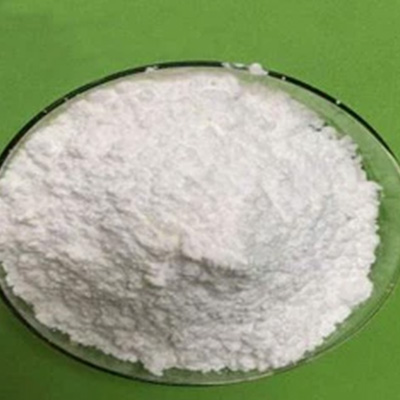
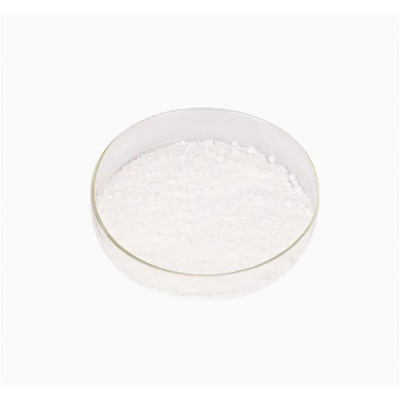
Solid form
Water solubility: 17 mgL-1 (20°C)
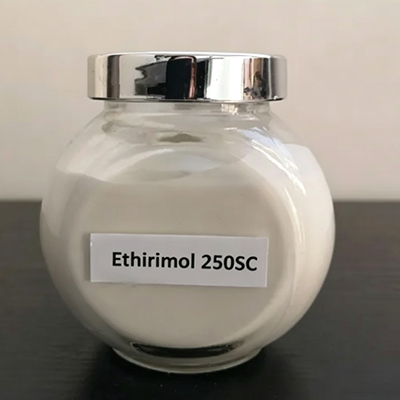
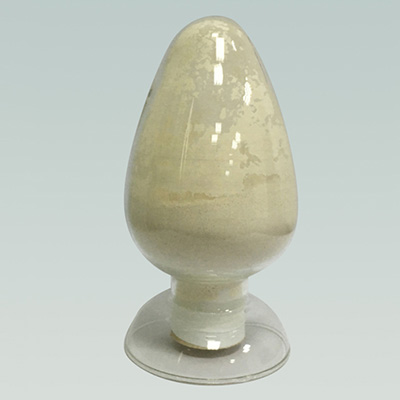
Color ranges from white to off-white
Merck13,4700
BRN8328399
Henry’sLawConstant2.8×101mol/(m3Pa)at25℃,BarceloandHennion(1997)
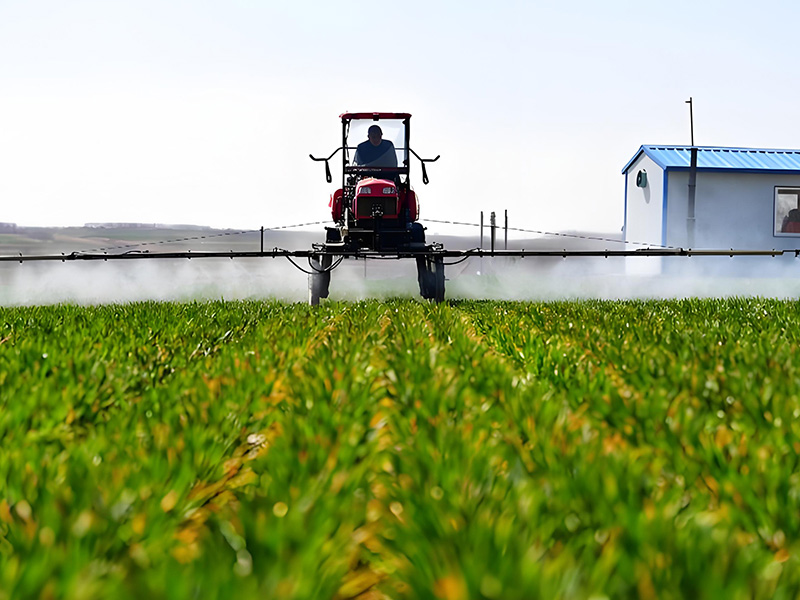
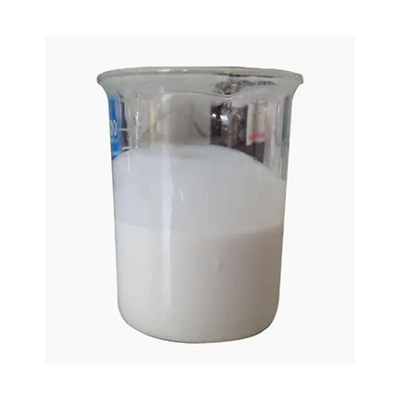
Hexaconazole is a new generation of high-efficiency triazole fungicide developed following triazolidone, eneconazole, tebuconazole, benzoconazole, and proconconazole. This fungicide was successfully developed by 1CIAgrochemicals in the UK. Patents EP110536 (1985) and FR2469408 (1981). The biological activity and bactericidal mechanism of hexaconazole are similar to triazolidone and triconazole, featuring a broad antibacterial spectrum, strong permeability and internal absorption and conductivity, and good preventive and therapeutic effects. Its mechanism of action is to destroy and block the biosynthesis of ergosterol by pathogens, preventing the formation of pathogenic cell membranes and ultimately causing bacterial death. Hexaconazole can effectively prevent and treat diseases caused by ascomycobacteria, basidiomycetes, and happlemycetes, especially against diseases caused by basidiomycetes and ascomycetes such as powdery mildew, rust, black spot, brown spot, anthracnose, sheath blight, and rice aspergil. However, Hexaconazole is ineffective against oomycetes and bacteria. Applied at recommended dosages to suitable crops, it is environmentally friendly and safe for crops, but sometimes causes phytotoxicity to certain apple varieties. The main dosage forms of Hexaconazole in China include water-dispersible granules, suspensions, emulsions, and microemulsions. Abroad, there is Anfu (5% Hexaconazole suspension agent) registered by Syngenta in the UK, mainly registered for pear tree black spot, apple spot leaf drop, rice sheath blight, and peach brown rot. Spray 5% Hexaconazole suspension agent at 1000~1500 times dilution for pear black spot and apple leaf drop, and 800~1000 times dilution for peach tree brown rot. For controlling rice sheath blight, use 60~100g of 5% suspension agent. According to reports, Hexaconazole can also be used to control grape powdery mildew and white rot at 10~15 mg/kg, apple powdery mildew and rust at 10~20 mg/kg. Additionally, Hexaconazole is effective against coffee rust, with an active ingredient of 2 grams per mu and an active ingredient of 3~4.5 grams per mu for controlling peanut leaf spot. Hexaconazole can be mixed with other conventional fungicides. When diluting or applying pesticides, follow pesticide safety usage rules and wear necessary protective equipment.
Control targets and usage methods
Hexaconazole is mainly used for powdery mildew in apples, black spot fungus, Staphylococcus bacteria on grapes, and Grape Rycoccus fungi. Camel spore rust on coffee, cerchospore mold on peanuts. According to market developments, the market share of Hexaconazole emulsion has been further compressed, with 5% microemulsions becoming mainstream and 5% suspensions becoming new targets. High content is gradually becoming a market trend. The high-content hexaconazole market mainly focuses on fruit and vegetable markets, while low-content hexaconazole is mainly concentrated in field crops. The fruit and vegetable market mainly focuses on bananas, citrus, apples, and pears, with targeted targets for banana leaf spot, citrus scab, pear black spot, and apple leaf spot. Low content is mainly targeted at rice, wheat, and vegetable markets, with 5% Hexaconazole suspension and microemulsions as the main focus.
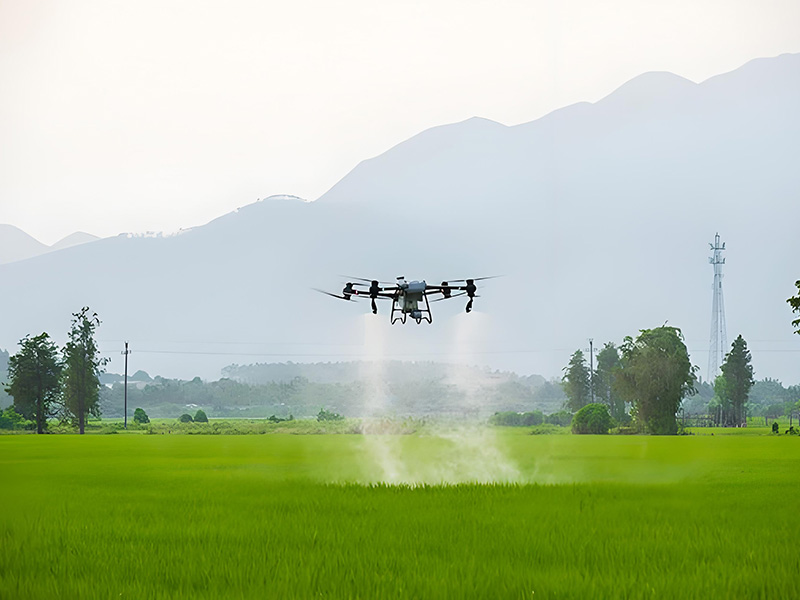
Usage: Foliar spray. 10~20mg/L, to control grape powdery mildew, black rot, apple powdery mildew, and black spot disease; 20~50mg/L, to control coffee rust and peanut leaf spot.
(1) Grapes. Hexaconazole is highly effective against powdery mildew on grape Chemicalbook leaves and clusters, and is more effective against black rot than other pesticides. A dosage of 15~20mg/L is suitable for years with severe viral outbreaks.
(2) Apple. Using 10~20mg/L alone or mixed with dithiocarbamate is effective against apple scab and powdery mildew, and is also effective against malt rust bacteria. Spray at a concentration of 33.3~62.5mg/kg to control apple leaf spot and leaf drop.
(3) Peanuts. For peanuts, whether Hexaconazole alone or mixed with low-concentration chlorothalonil is very effective in controlling early and late leaf spot disease, with results superior to chlorothalonil.
(4) Coffee. It has therapeutic activity against coffee rust disease and has a long duration of effect. In epidemic years, spraying 30g/hm2 three times can be as effective as copper preparations five times, slightly better than triazolidone 250g/hm2 applied twice three times. A 10g dose can provide the same preventive effect as 250g triazolidone.
(5) Pear. Dilute 5% Hexaconazole microemulsion to a concentration of 40~50mg/kg for spray to prevent and control pear black heart disease.

Quality Assurance
We strictly follow FAO standards, implement full‑process quality inspection and provide official COA & MSDS for every batch of pesticide products.

Strict quality control
Full-process inspection, the products meet both domestic and international quality standards.

Factory Direct Competitive Pricing
Direct supply from original pesticide manufacturer cuts intermediate links to offer you cost‑effective technical materials and finished formulations.

Extensive Ready Stock
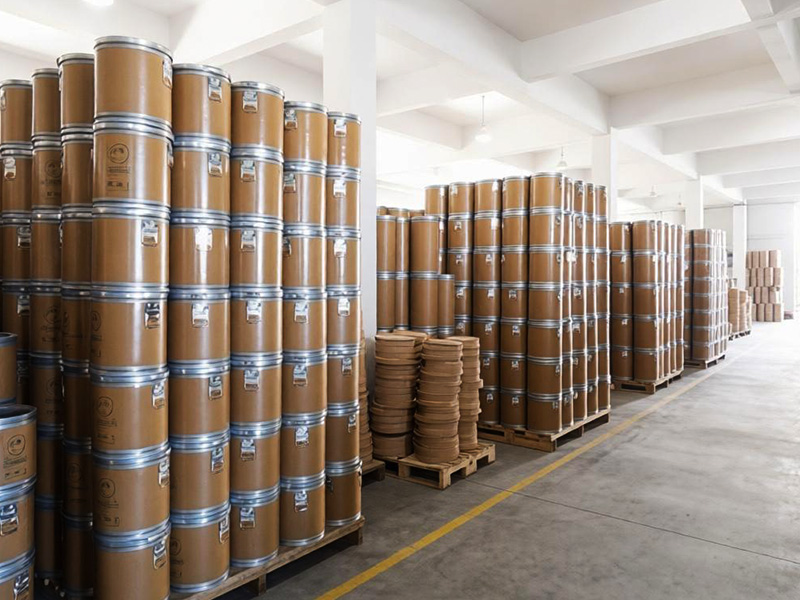
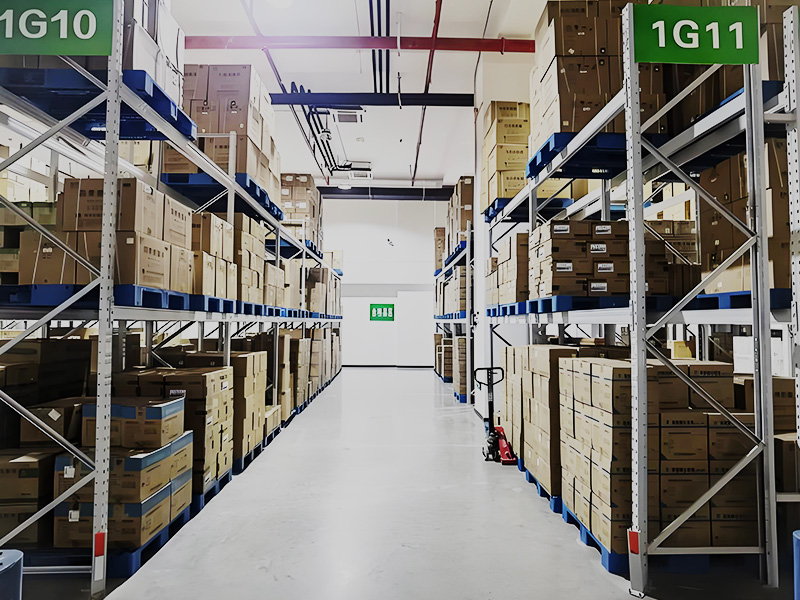
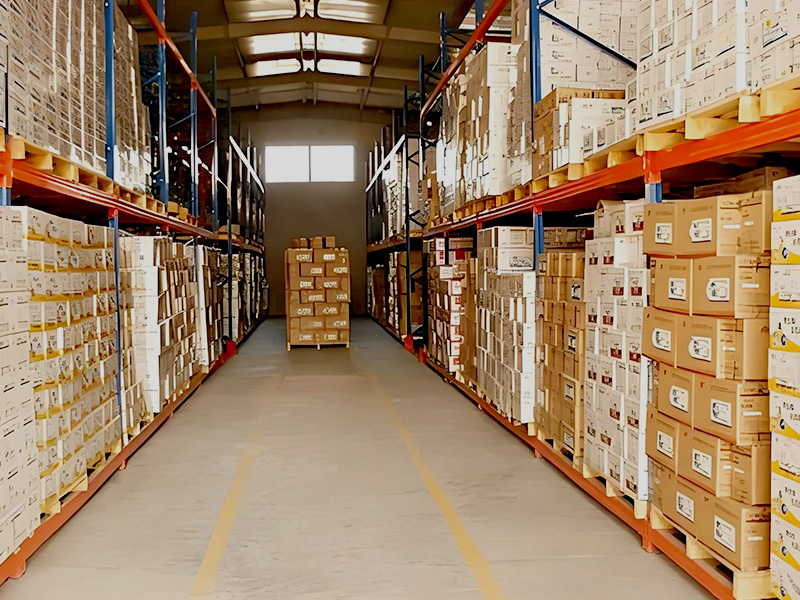
Large‑scale standardized warehouse keeps abundant stocks of mainstream pesticide technicals and formulations for fast order delivery.

Efficient and reliable delivery
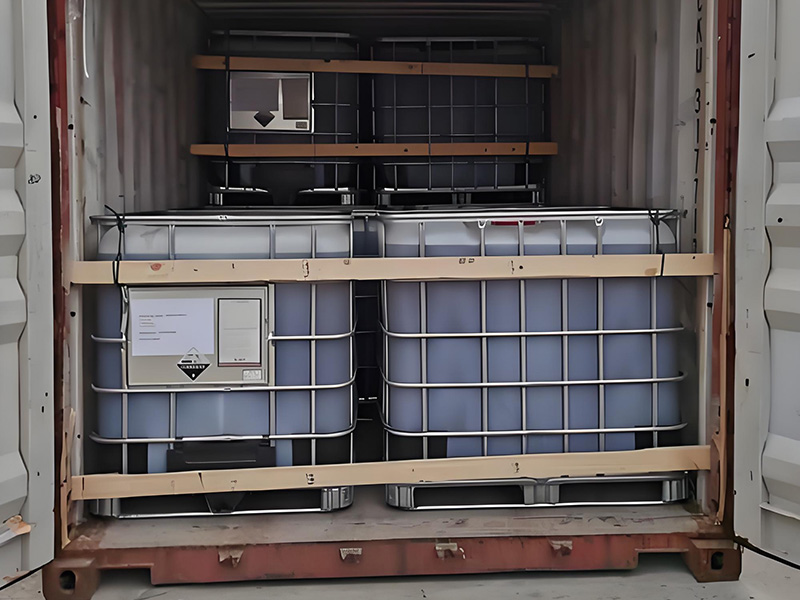
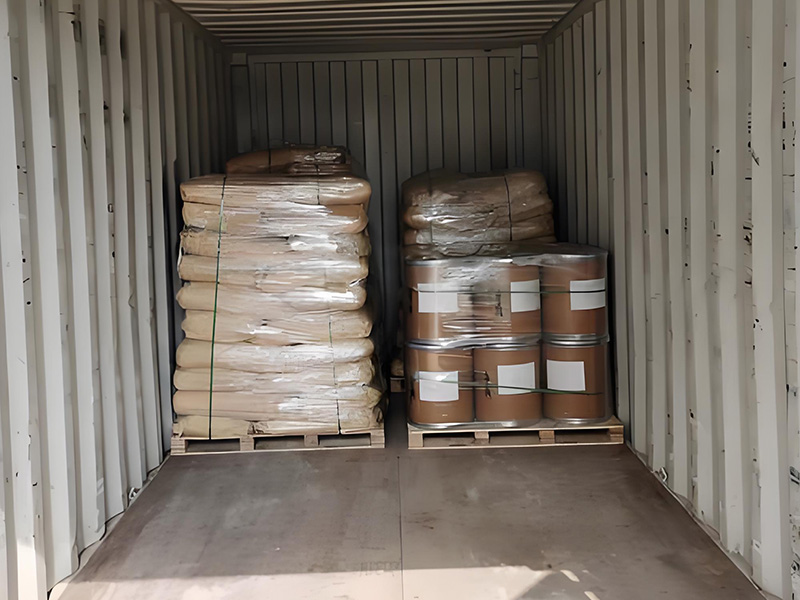
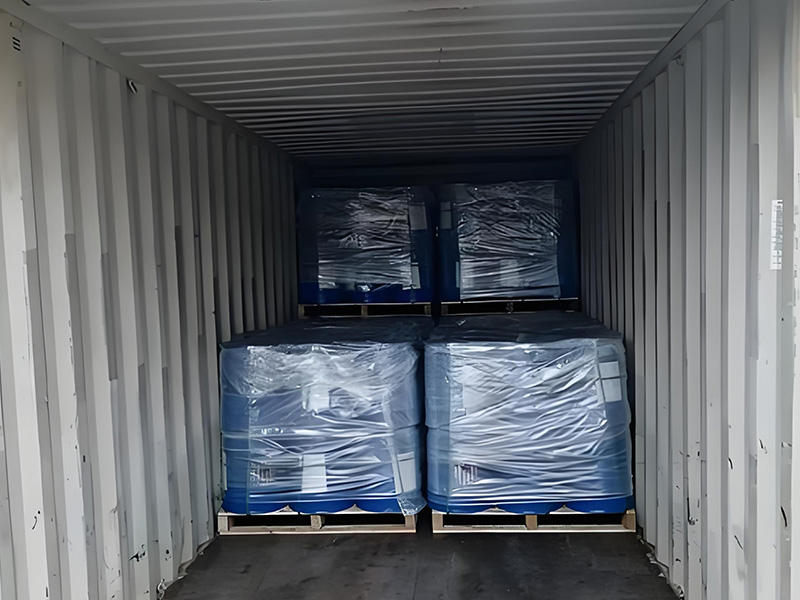
We cooperate with mature dangerous‑goods freight forwarders to realize stable sea shipment and on‑time delivery for global pesticide orders.

Customer-Oriented Service
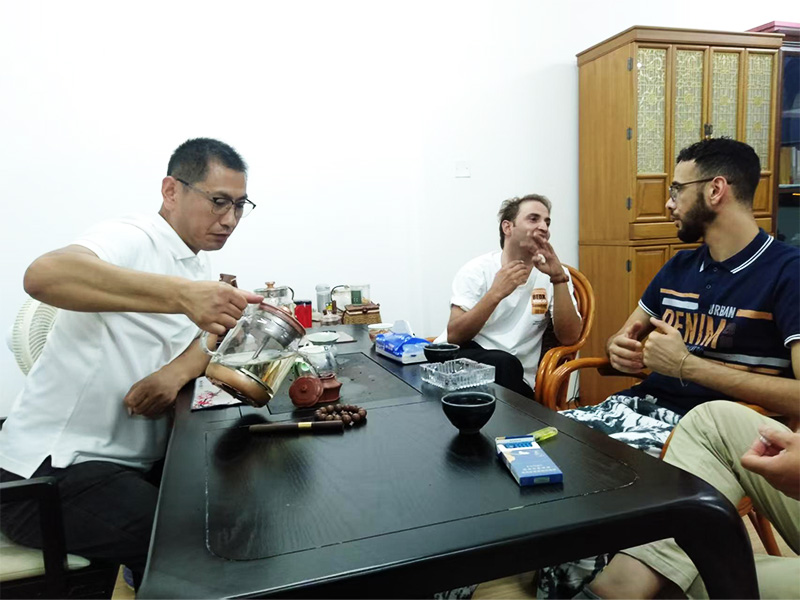
Our professional pesticide export team offers 24/7 support, covering inquiry, registration document support, OEM and after-sales technical guidance.