 SEAL
SEAL
Aluminum Phosphide
Over the past twenty years, we have been deeply involved in pesticide research and technological achievements. Focusing on pesticide research and development, production, and sales, providing reliable agricultural protection solutions for domestic and international markets.
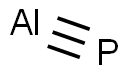
| English Name | Aluminum phosphide |
|---|---|
| CAS Number | 20859-73-8 |
| Molecular Formula | AlP |
| Molecular Weight | 57.96 |
| EINECS Number | 244-088-0 |
| Aluminum Phosphide Properties | |
| Melting Point | 2000℃ |
| Density | 2.42 |
| Solubility | Reacts with H2O |
| Form | Green or yellow cubic crystals |
| Color | Green or yellow |
| Water Solubility | Reacts with H2O to produce phosphine [MER06] |
| Crystal Structure | Cubic, Sphalerite Structure - Space Group F(-4)3m |
| Stability | Flammable solid. Contact with acids releases highly toxic gas (phosphine). Incompatible with acids, moisture, and oxidizers. |
| InChI | InChI=1S/Al.P |
| InChIKey | PPNXXZIBFHTHDM-UHFFFAOYSA-N |
| SMILES | [Al]#P |
| Hardness | 5.5 |
| Mohs | 5.5 |
Product features
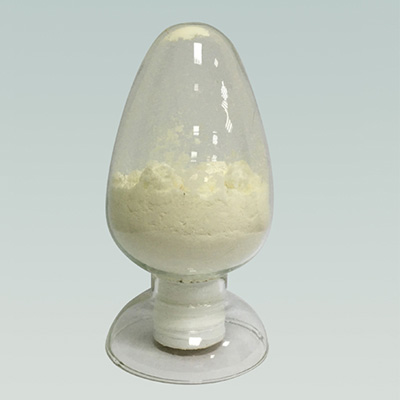
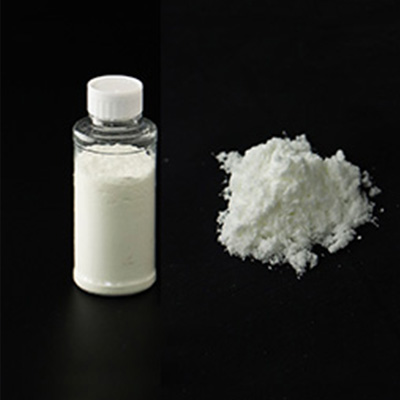
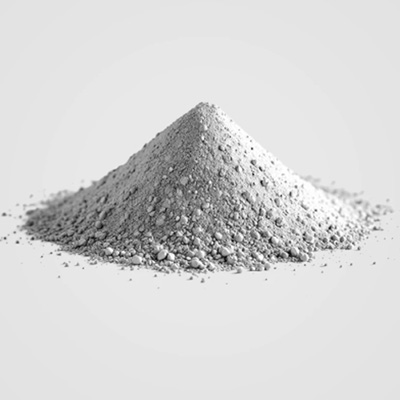
Aluminum phosphide tablets are gray-black solids with white spots, and the powder appears gray-green. The product easily absorbs moisture from the air and releases highly toxic phosphine gas. Each gram of Aluminum phosphide tablets produces about 1 gram of phosphine gas. When 0.01 milligrams of phosphine are present in the air, it has a lethal effect on pests. It is widely used to fumigate pests in grains, seeds, medicinal materials, feed, tobacco, and other items. It can also be used for fumigation and pest control in silos, warehouses, containers, factories, storage rooms, railway carriages, trucks, ships, and other spaces.
Fumigation
Fumigation of aluminum phosphide in warehouses or tents controls various grain storage pests and mites, but cannot kill dormant mites. It has a wide range of applications and is not affected by temperature; it can fumigate raw grains, finished grains, crop seeds, and various storage equipment. Phosphine gas diffuses easily in the air. After fumigation, the warehouse generally dissipates within 24~28 hours, without affecting the color, taste, or hygiene of the grain. Fumigated seeds do not have an affected germination rate within the specified dosage and sealing period. It is also used for fumigation rodent control in the field and warehouses.
Fumigation inside the warehouse. Generally, 6~9 grams of tablets or 4~6 grams of powder per cubic meter of grain stack are applied, or 5~10 tablets per ton of grain. For bagged raw grain, push one medicinal wooden stick into the middle of the bag; If large quantities of bagged raw grain are fumigated, 10 tablets per ton of grain can be spread in the gaps of the grain bags or inside bamboo troughs on the ground. If it is a large pile of loose grain, place the calculated tablets on the surface of the pile. When fumigating flour, scatter the tablets in the gaps of the flour bag, but do not put them directly into the bag to avoid contamination. For fumigation jars or jars sealed with beans, apply one tablet per 150~300 kg and smoke for 72 hours. If the warehouse is well sealed, the dosage can be reduced; For poorly sealed conditions, the dosage can be increased. For empty storage, use 3~6 grams of tablets or 2~4 grams of powder per cubic meter. The fumigation time should be determined according to the temperature; at 12~15°C, fumigate for 5 days; 16~20°C, fumigate for 4 days; If the temperature is above 20°C, fumigate for 3 days; Above 28°C, the fumigation time should be shorter to avoid affecting germination. After fumigation, ventilate and disperse air for 5~6 days; the toxic gas can completely disappear, and the remaining small residue is non-toxic aluminum hydroxide and does not need to be removed. Aluminum phosphide is most suitable for grains and commodities with long storage periods. Because it takes a long time to take effect, it is generally not used for quarantine emergency treatment.
The open-air tent is steaming. Generally, the dosage is calculated at 10~12 tablets per ton of grain. Open-air storage: Pills are scattered on the surface of the grain pile or placed in bamboo troughs at the bottom of the storage, covered with plastic tents. If there is a large amount of bagged grain, the tablets are scattered in the gaps between the piled grain bags, or one tablet is inserted into every 100 kilograms of bagged grain, then covered with a tent. The surrounding areas that touch the ground are pressed tightly with bricks or stones or with mud. The fumigation time is the same as warehouse fumigation.
Eliminate rats. Using Aluminum Phosphide for rodent control takes advantage of the fact that the phosphine gas produced has a higher specific gravity than air. Gas can penetrate deep mouse burrows and nests, which often yields twice the result for multiple rodents in one burrow or for rodents in the nursing stage. Generally, use 0.5~1 tablet per hole; if the mouse burrow is large or the burrow is numerous, add 1 tablet as appropriate. Use a small spoon to insert the tablet into the hole, sealing the entrance tightly with soil. For example, after placing the tablet into the mouse hole, add a small amount of water to quickly break down and release phosphine, resulting in faster efficacy and better rodent control.

Quality Assurance
We strictly follow FAO standards, implement full‑process quality inspection and provide official COA & MSDS for every batch of pesticide products.

Strict quality control
Full-process inspection, the products meet both domestic and international quality standards.

Factory Direct Competitive Pricing
Direct supply from original pesticide manufacturer cuts intermediate links to offer you cost‑effective technical materials and finished formulations.

Extensive Ready Stock
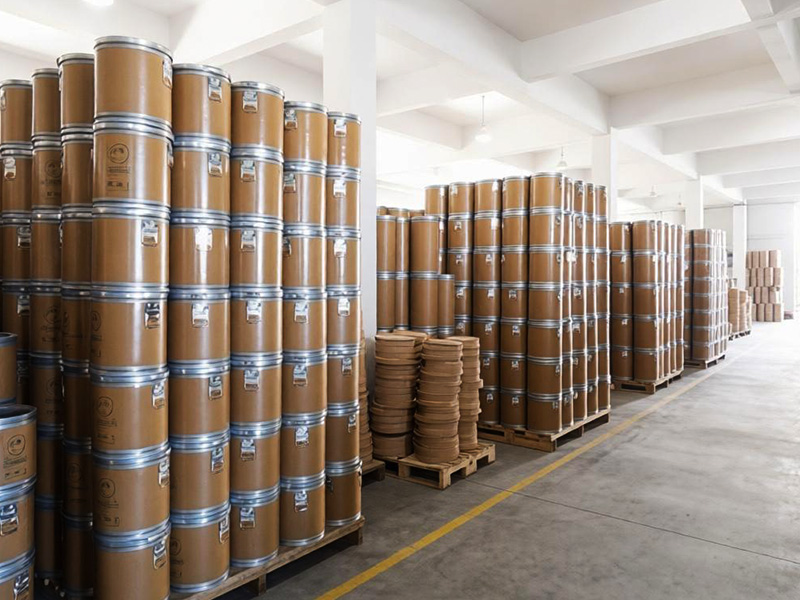
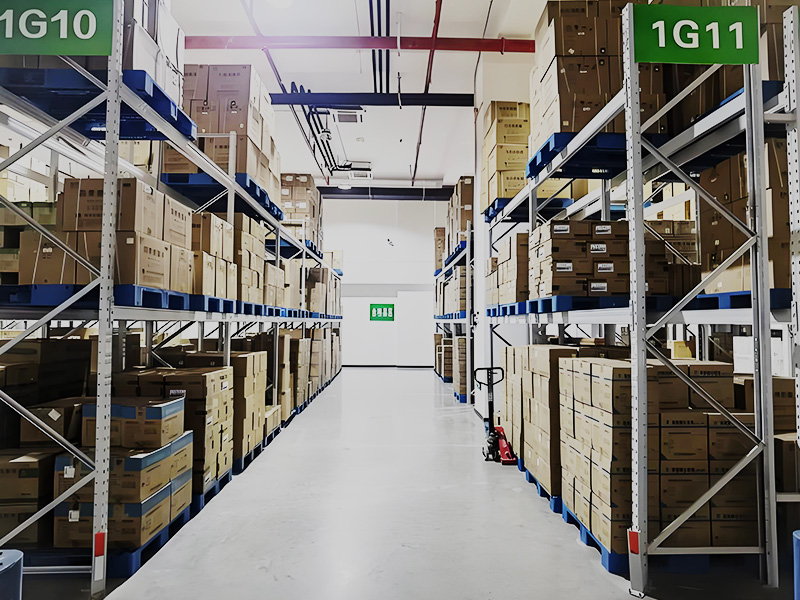
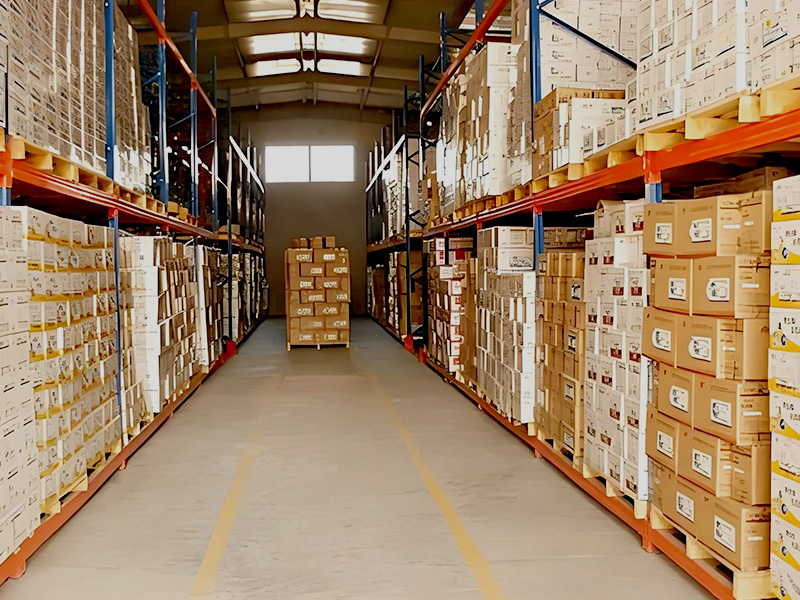
Large‑scale standardized warehouse keeps abundant stocks of mainstream pesticide technicals and formulations for fast order delivery.

Efficient and reliable delivery
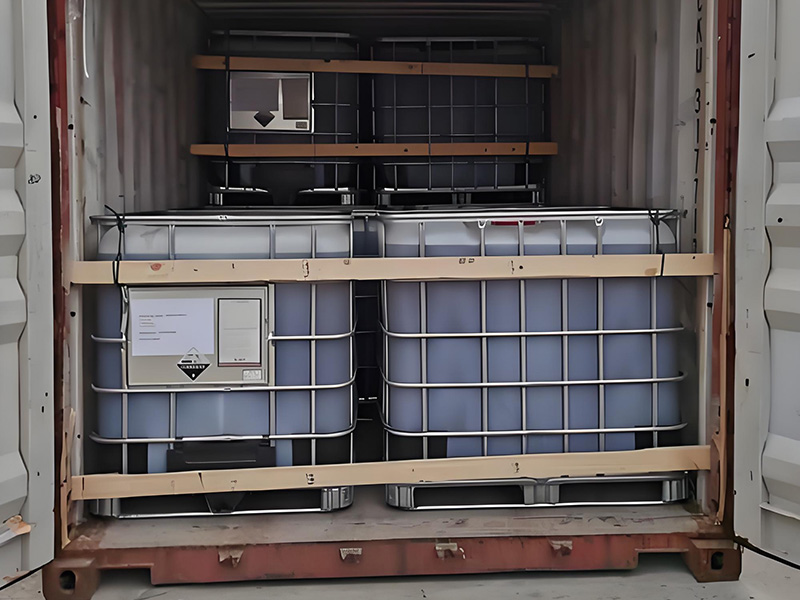
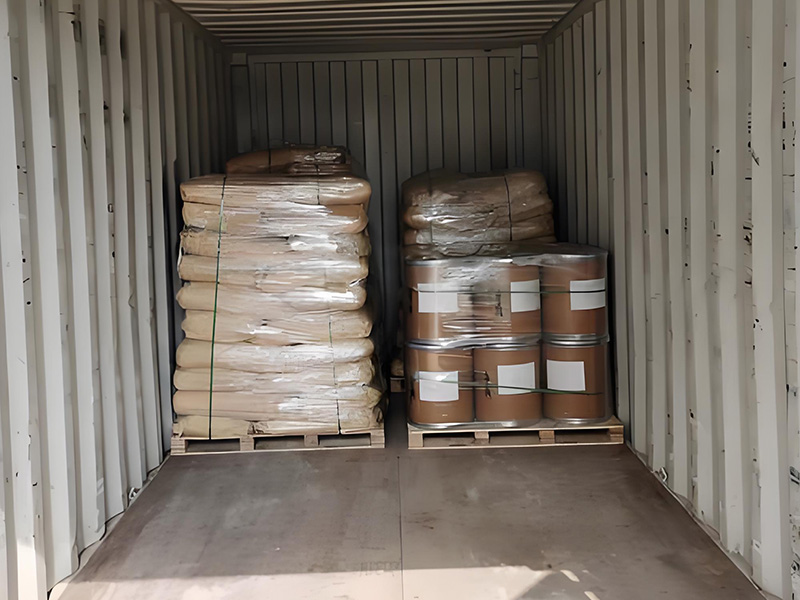
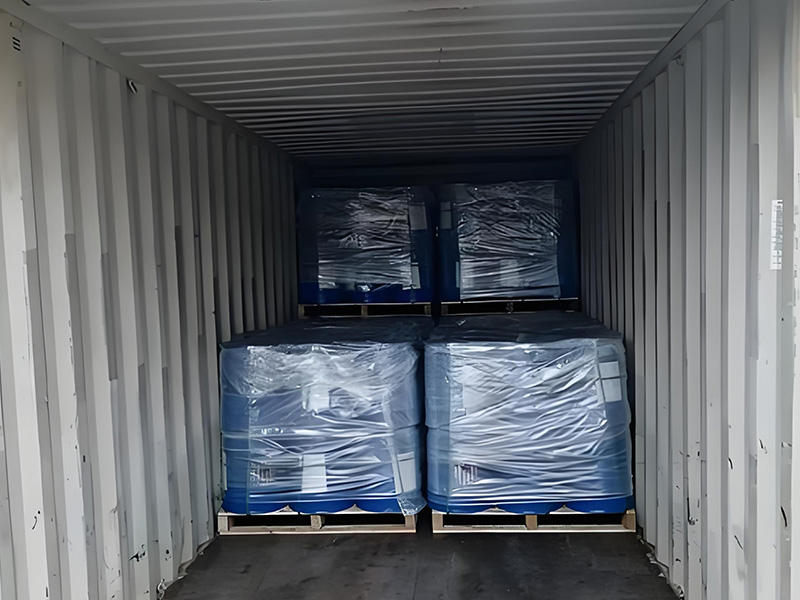
We cooperate with mature dangerous‑goods freight forwarders to realize stable sea shipment and on‑time delivery for global pesticide orders.

Customer-Oriented Service
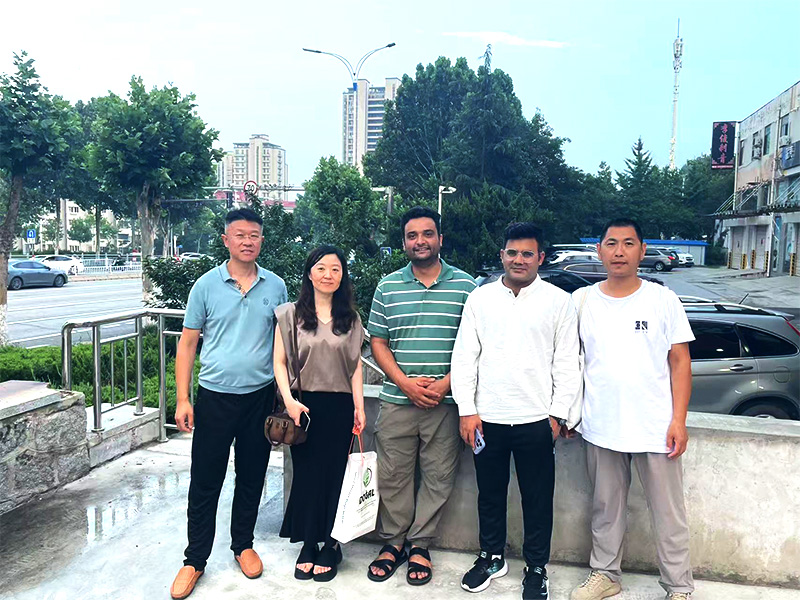
Our professional pesticide export team offers 24/7 support, covering inquiry, registration document support, OEM and after-sales technical guidance.