 SEAL
SEAL
Brofluthrinate
Over the past twenty years, we have been deeply involved in pesticide research and technological achievements. Focusing on pesticide research and development, production, and sales, providing reliable agricultural protection solutions for domestic and international markets.
| English Name | Brofluthrinate |
|---|---|
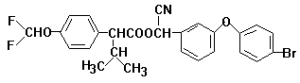
| Chemical Formula | C20H22BrF2NO4 |
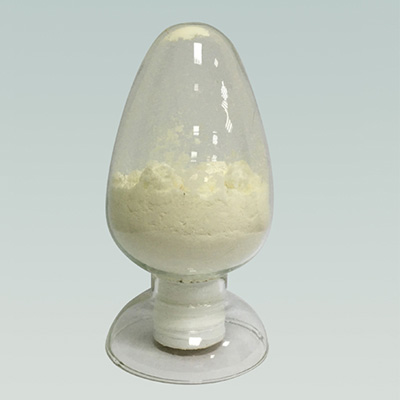
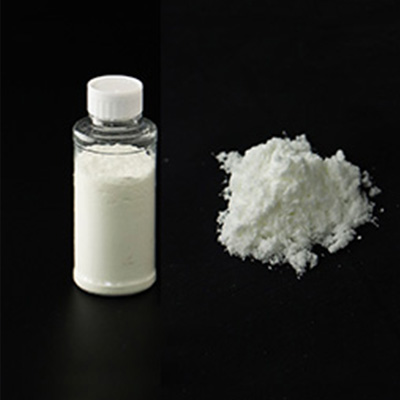
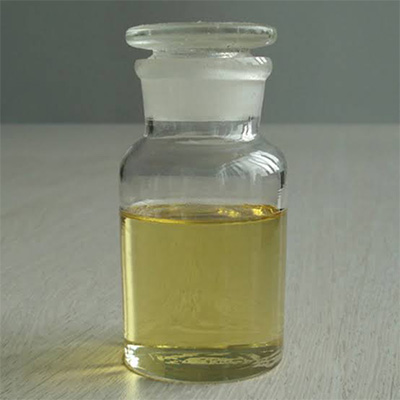
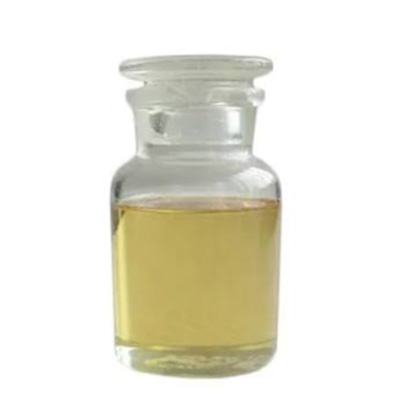
| Physical and Chemical Properties | Chemical Properties: Light yellow to dark brown liquid. Easily soluble in alcohol, ether, benzene, acetone, and other organic solvents, but insoluble in water. Stable in neutral and slightly acidic environments, but easily hydrolyzed in alkaline conditions. Fairly stable when exposed to light. |
Purpose:
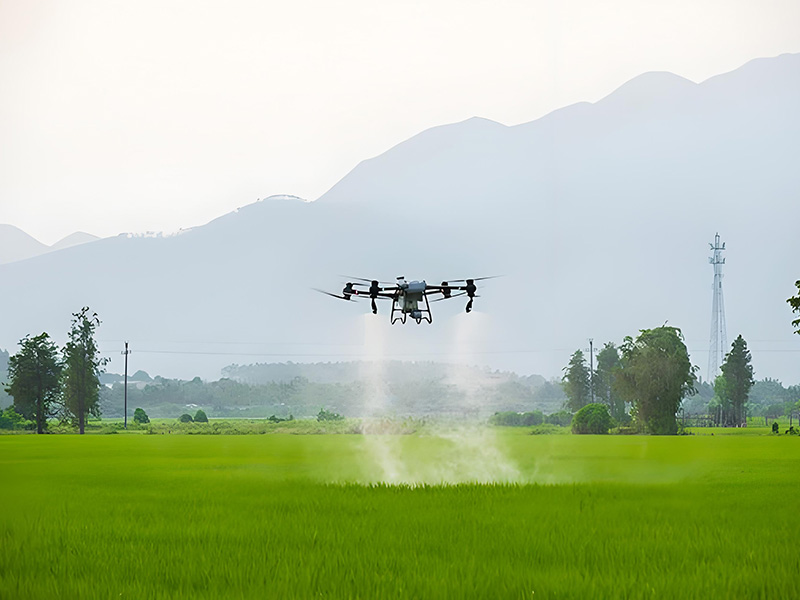
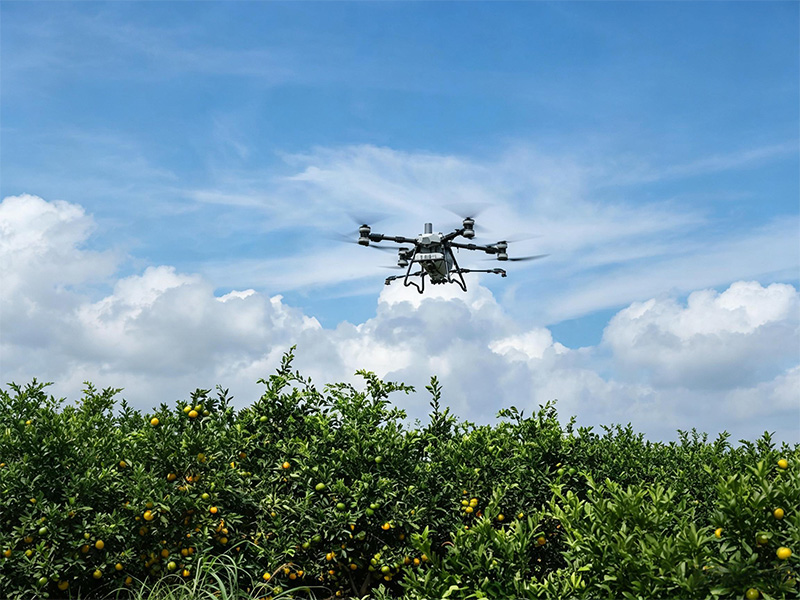
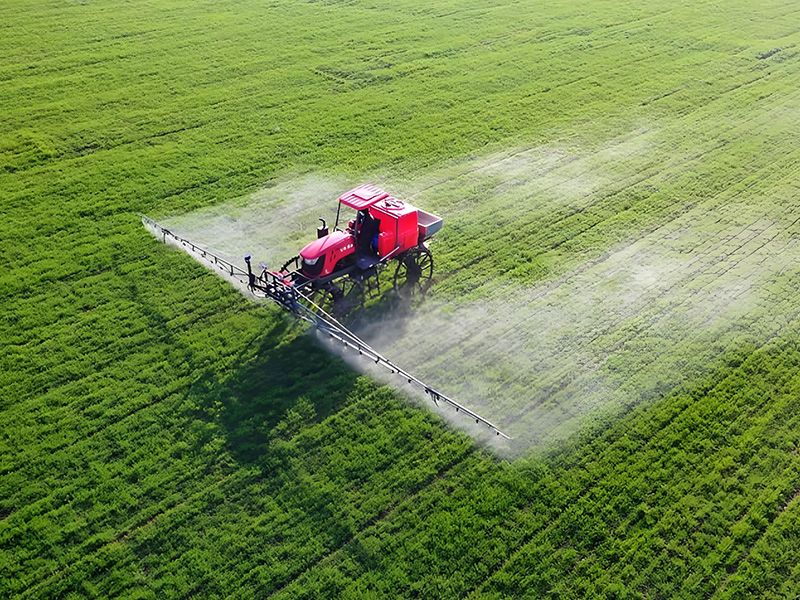
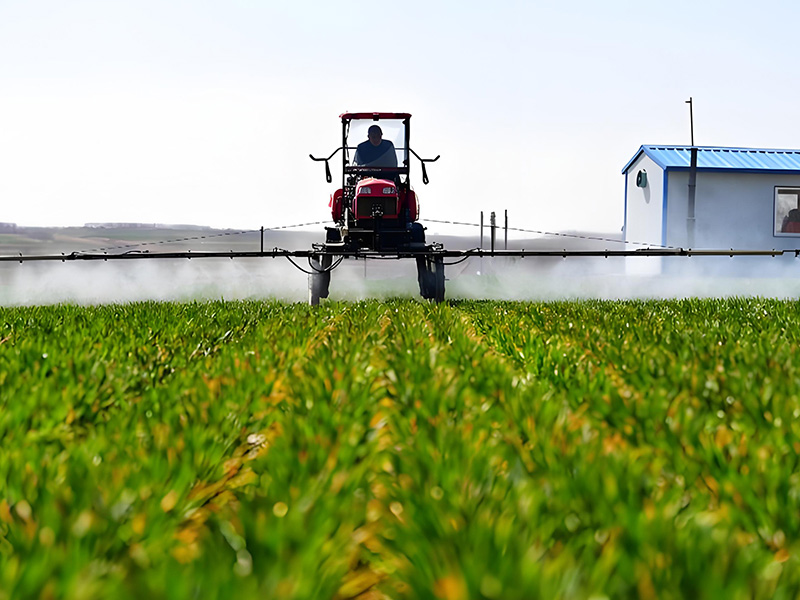
A new type of pyrethroid insecticide and acaricide, brofluthrinate, is highly efficient, broad-spectrum, long-lasting, and safe to use. It is mainly used on crops like cereals, cotton, vegetables, citrus, and tea plants to control various pests and mites, including seriously harmful ones like cotton bollworm and diamondback moth. It is also effective against resistant pests and mites. Since it has low toxicity to bees and high effectiveness against mites harmful to bees, it’s an ideal product for beekeeping. For crops, use a 5% emulsifiable concentrate at 1000–1500 times dilution for spraying.
Target Pests:
Brofluthrinate can be used on cotton, fruit trees, vegetables, tea, and cereal crops to control various pests and mites from orders Lepidoptera, Hemiptera, Thysanoptera, and Orthoptera.
1. To control cotton bollworm and pink bollworm, during peak egg hatch, use 60–100 ml of 10% EC per mu, with 50–60 kg of water for spraying.
2. To control cotton aphids, at the early stage of infestation, use 40–50 ml of 10% EC per mu with 50–60 kg of water.
3. To control cotton leaf mites, use 40–50 ml of 10% EC per mu with 50–60 kg of water.
4. To control citrus red spider mites, use 10% EC at 1000–2000 times dilution for spraying.
5. To control apple codling moth, hawthorn red spider mite, tea green leafhopper, etc., use 10% EC at 1000–2000 times dilution.
6. To control soybean seedcorn maggot and aphids, use 25–30 ml of 10% EC per mu with 50–60 kg of water.
7. To control wheat aphids, use 30–40 ml of 10% EC per mu with 50–60 kg of water.
8. To control eggplant red spider mites, use 10% EC at 1000–2000 times dilution.
9. To control diamondback moth and cabbage worms, use 10% EC at 1000–2000 times dilution.
Precautions:
1. Brofluthrinate has no systemic absorption, so make sure to spray evenly.
2. Do not use in mulberry gardens, apiaries, fish ponds, or other water areas to avoid poisoning.
3. Do not mix with alkaline pesticides, as it will decompose and become ineffective.
4. Avoid continuous use in the same area for a long time, despite its high effectiveness, to prevent resistance.
5. Brofluthrinate is moderately toxic, and its poisoning mechanism is not fully clear; seek medical treatment immediately if exposed, and treat symptoms accordingly.
6. Do not use on rice. It can be used for grade A green food production. Safety intervals are: leafy vegetables 7 days, apples and citrus 30 days, tea 15 days, wheat 20 days, soybeans 15 days, tobacco 15 days.

Quality Assurance
We strictly follow FAO standards, implement full‑process quality inspection and provide official COA & MSDS for every batch of pesticide products.

Strict quality control
Full-process inspection, the products meet both domestic and international quality standards.

Factory Direct Competitive Pricing
Direct supply from original pesticide manufacturer cuts intermediate links to offer you cost‑effective technical materials and finished formulations.

Extensive Ready Stock
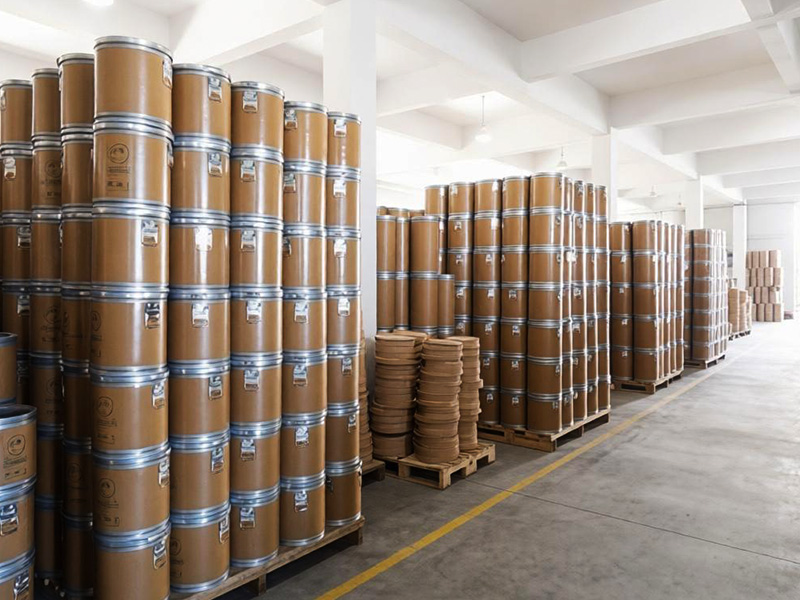
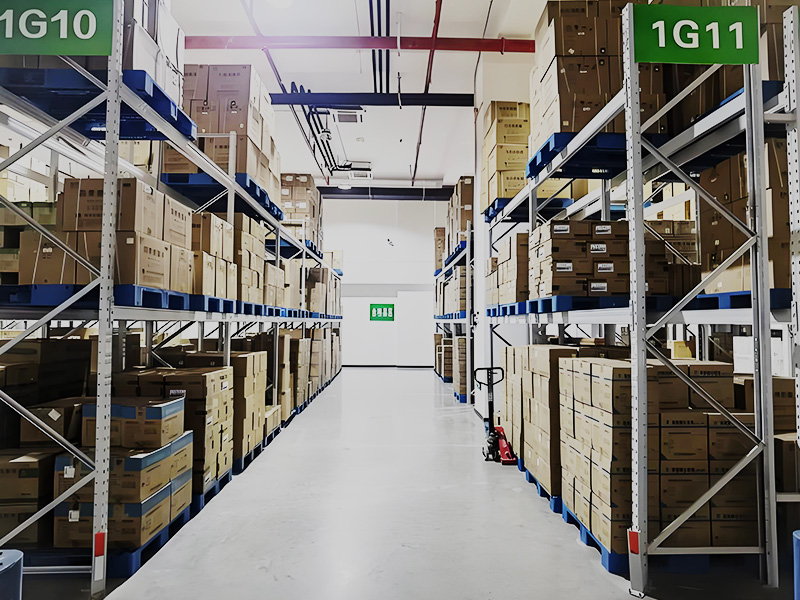
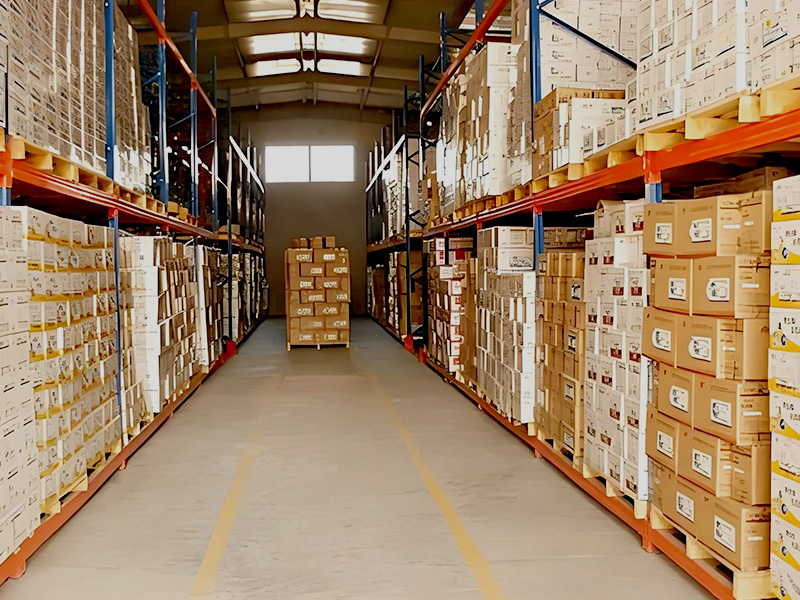
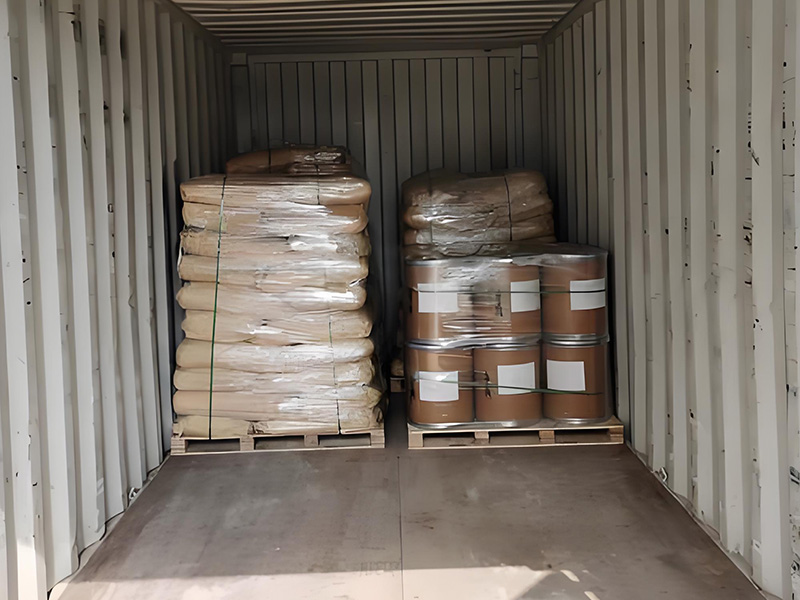
Large‑scale standardized warehouse keeps abundant stocks of mainstream pesticide technicals and formulations for fast order delivery.

Efficient and reliable delivery
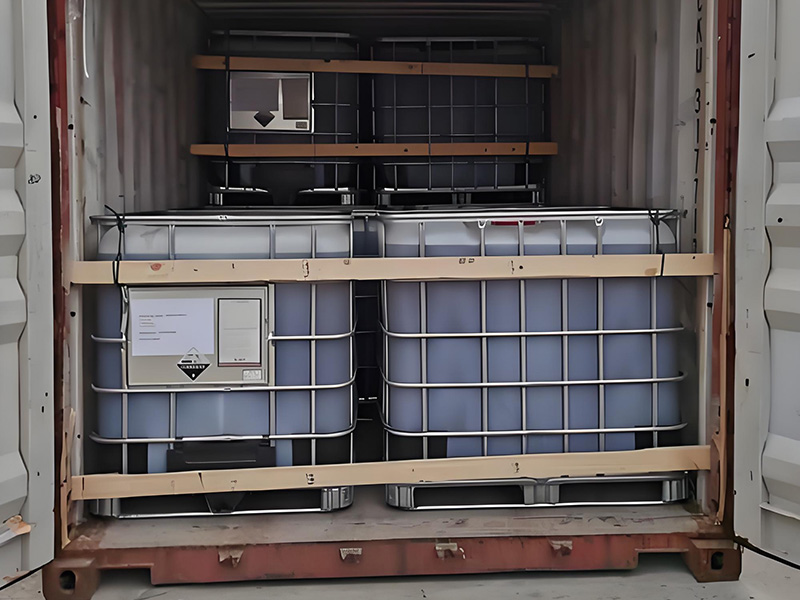
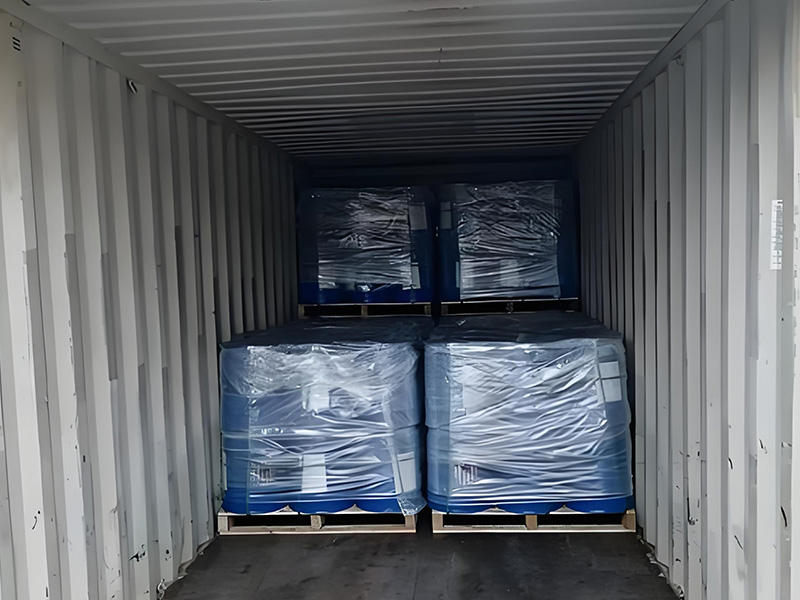
We cooperate with mature dangerous‑goods freight forwarders to realize stable sea shipment and on‑time delivery for global pesticide orders.

Customer-Oriented Service
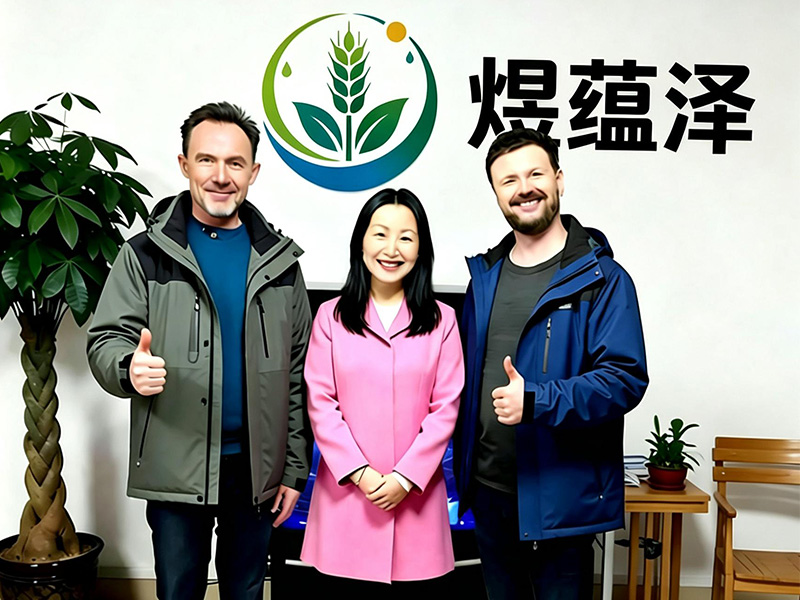
Our professional pesticide export team offers 24/7 support, covering inquiry, registration document support, OEM and after-sales technical guidance.