 SEAL
SEAL
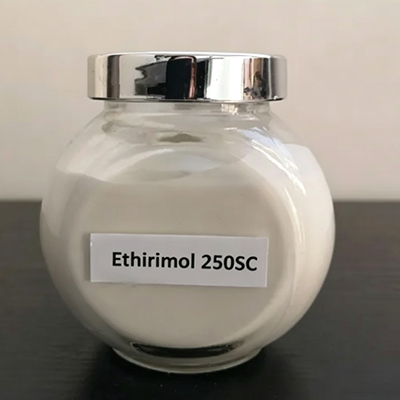
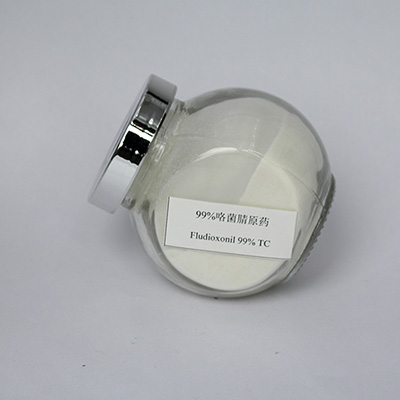
Fludioxonil
Over the past twenty years, we have been deeply involved in pesticide research and technological achievements. Focusing on pesticide research and development, production, and sales, providing reliable agricultural protection solutions for domestic and international markets.
Mechanism of Action
It inhibits PK–III (kinase PK–III), which acts as a signal in the osmotic sensing signaling process, leading to an increase in nonphosphorylated regulatory protein concentration. This, in turn, disrupts the secretion of osmotic-sensitive cell division activator proteases, eventually causing the death of pathogens. Because of its unique mechanism, it does not have cross-resistance with existing fungicides and is a promising type of pyrrole fungicide.
Pharmacological Effects
Fludioxonil has both fungicidal and fungistatic effects. The fungicidal mechanism against gray mold mainly involves interfering with and disrupting the biological oxidation and biosynthesis of the pathogen. It dissolves the cell wall of gray mold, quickly damages the hydrophobic chains on the cell membrane, oxidizes and dissolves key proteins for the pathogen’s life processes, and disrupts nucleic acid and protein synthesis. Its fungistatic mechanism works by inhibiting glucose phosphorylation-related transfers, suppressing fungal hyphal growth, eventually leading to pathogen death. When used for seed treatment, it can prevent seed-borne pathogens and does not cause cross-resistance with other fungicides, making it a contact fungicide.
Application Area
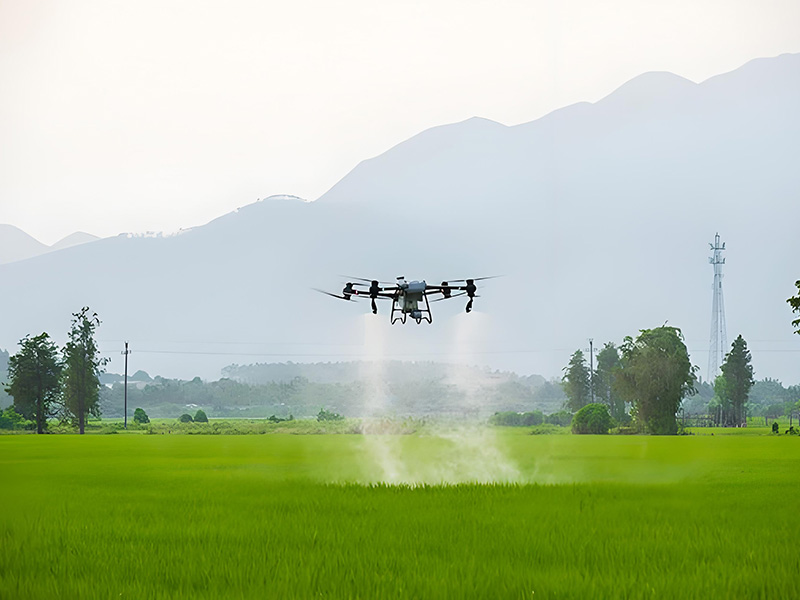
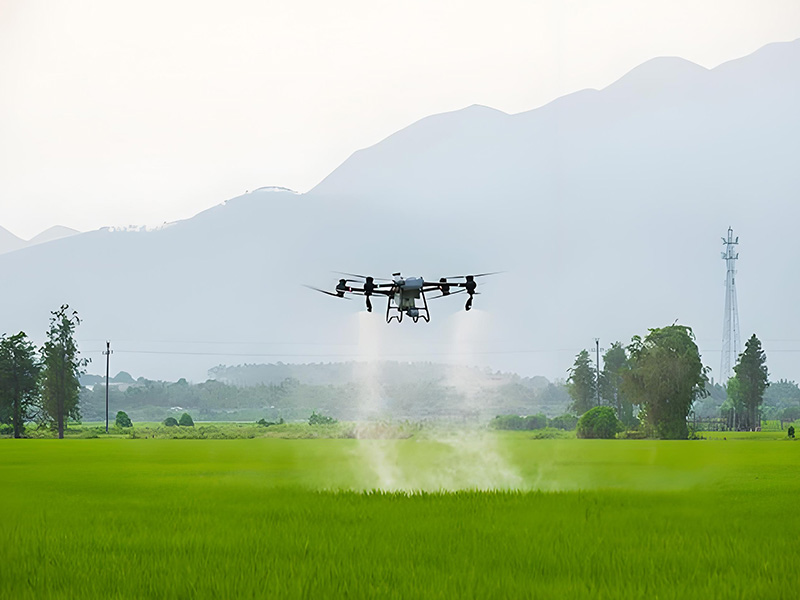
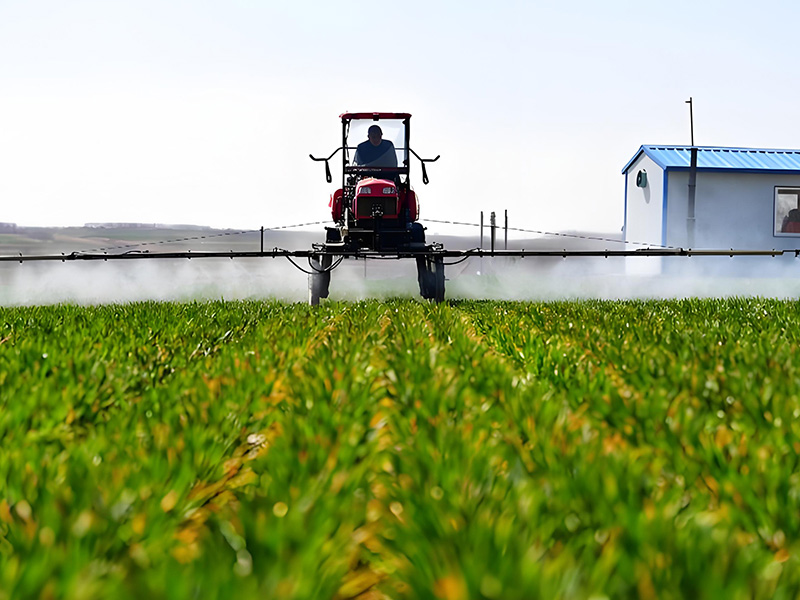
Fludioxonil can be used as a foliar fungicide to control Fusarium snow rot, wheat net blotch, damping-off, etc., and is especially effective against gray mold. As a seed treatment, it is mainly used for cereals and allium crops to prevent seed-borne and soil-borne pathogens like Cladosporium, Alternaria, Aspergillus, Fusarium spp., Helminthosporium spp., Sclerotium spp., and Penicillium spp. Specific diseases it controls include wheat powdery mildew, snow rot, snow mold, sheath blight, root rot, whole blight, chemical book, and stem black powdery disease.
Chemical Properties
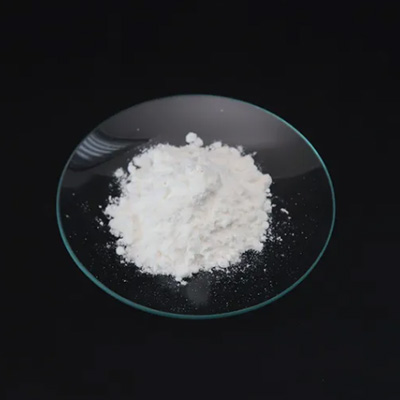
Pure fludioxonil is colorless crystalline, m.p. 199.8°C, relative density 1.54 (20°C), vapor pressure 3.9×10^-7 Pa (20°C), partition coefficient 4.12 (25°C). Solubility at 25°C: acetone 190 mg/L, methanol 44 mg/L, n-octanol 20 mg/L, toluene 2.7 mg/L, hexane 0.0078 mg/L, water 1.8 mg/L. It remains stable without hydrolysis in pH 5–9 conditions.
Uses
Fludioxonil is a new, broad-spectrum, non-systemic pyrrole fungicide. By inhibiting glucose phosphorylation-related transfers and fungal hyphal growth, it ultimately kills pathogenic fungi. It’s used as a foliar treatment for wheat, barley, corn, peas, rapeseed, rice, vegetables, grapes, lawns, and ornamental crops to control Fusarium snow rot, wheat net blotch, damping-off, etc., with special effectiveness for gray mold. For seed treatment of cereal and non-cereal crops, it prevents seed-borne and soil-borne pathogens like Cladosporium, Alternaria, Aspergillus, Fusarium, Helminthosporium, Sclerotium, and Penicillium. Recommended dose is 250–500 g of active ingredient per hectare. It is safe for subsequent crops and causes no phytotoxicity.

Quality Assurance
We strictly follow FAO standards, implement full‑process quality inspection and provide official COA & MSDS for every batch of pesticide products.

Strict quality control
Full-process inspection, the products meet both domestic and international quality standards.

Factory Direct Competitive Pricing
Direct supply from original pesticide manufacturer cuts intermediate links to offer you cost‑effective technical materials and finished formulations.

Extensive Ready Stock
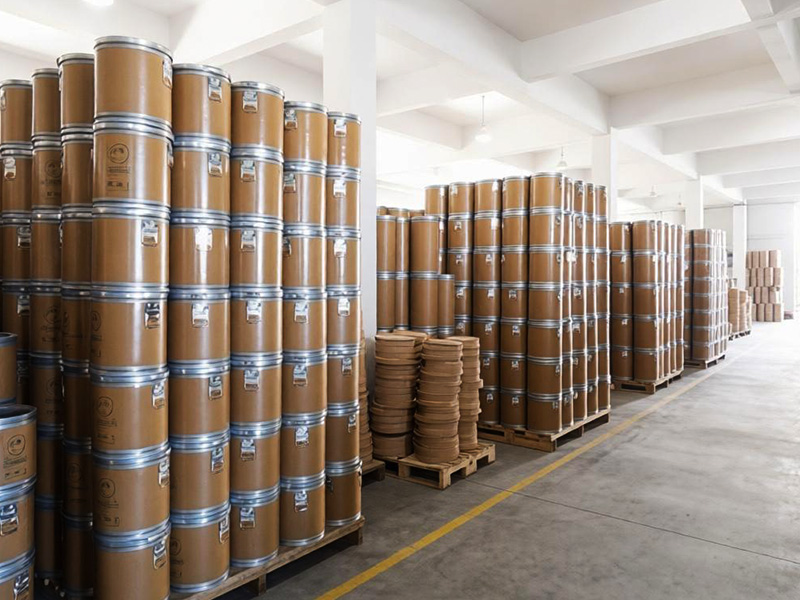
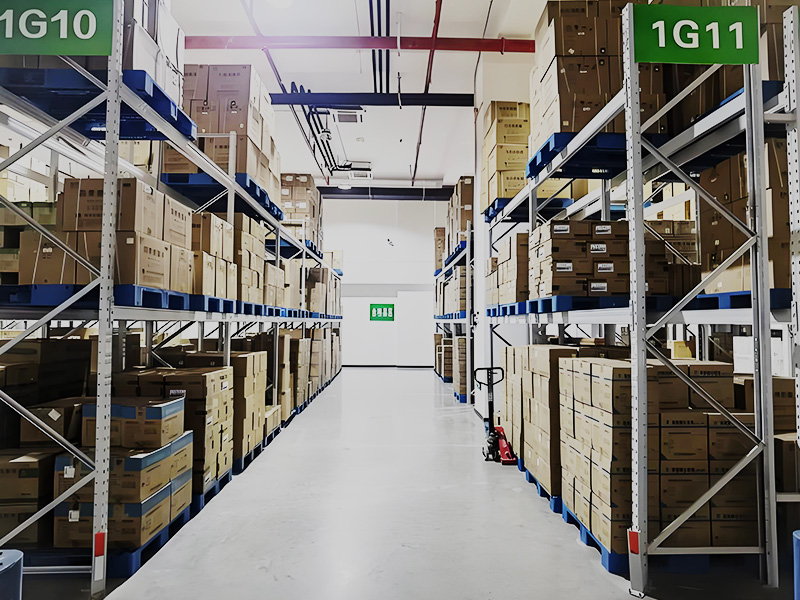
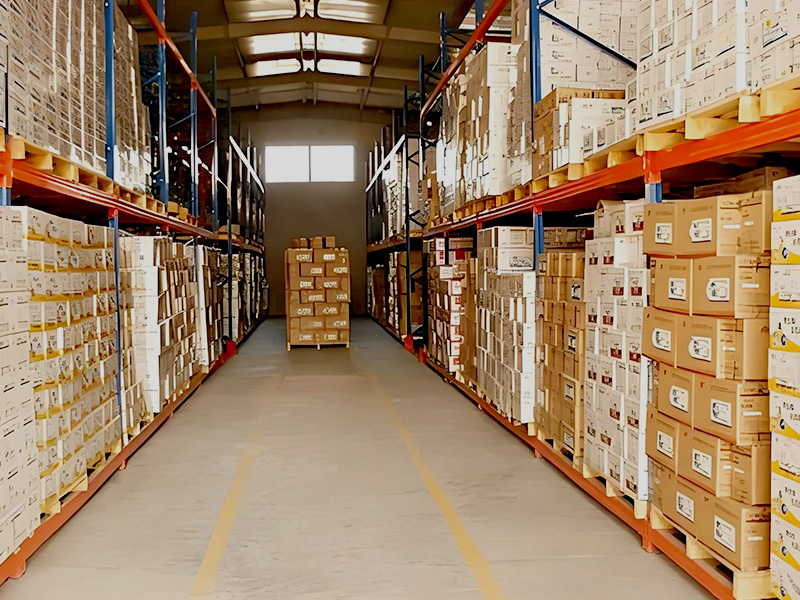
Large‑scale standardized warehouse keeps abundant stocks of mainstream pesticide technicals and formulations for fast order delivery.

Efficient and reliable delivery
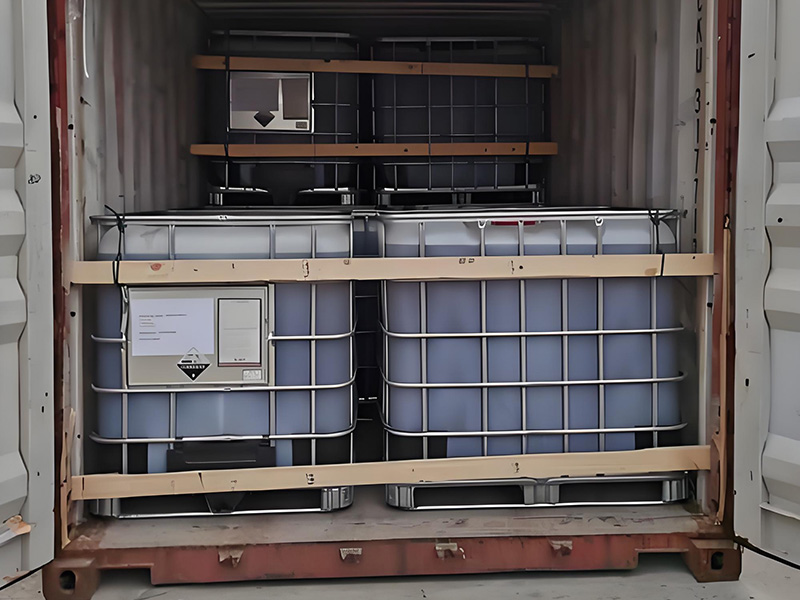
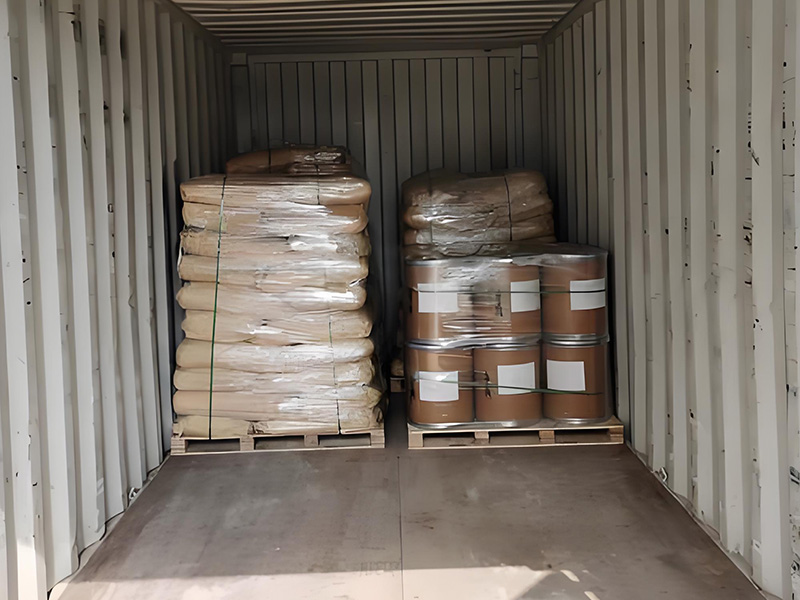
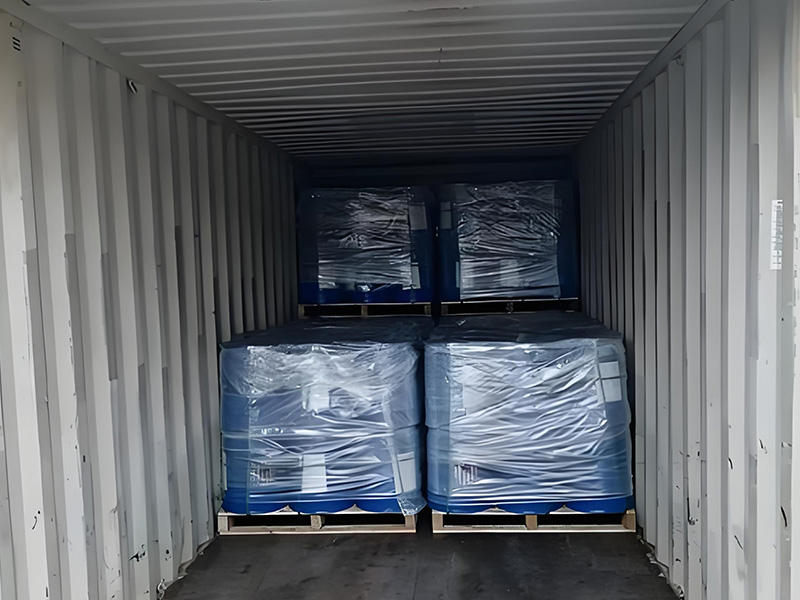
We cooperate with mature dangerous‑goods freight forwarders to realize stable sea shipment and on‑time delivery for global pesticide orders.

Customer-Oriented Service
Our professional pesticide export team offers 24/7 support, covering inquiry, registration document support, OEM and after-sales technical guidance.