 SEAL
SEAL
Prochloraz
Over the past twenty years, we have been deeply involved in pesticide research and technological achievements. Focusing on pesticide research and development, production, and sales, providing reliable agricultural protection solutions for domestic and international markets.
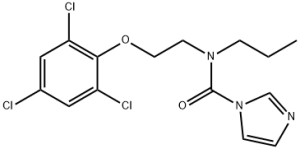
CAS: 67747-09-5
Chemical formula: C15H16Cl3N3O2
CAS 67747-09-5
EINECS 266-994-5
Chemical formula: C15H16Cl3N3O2
Molecular weight: 376.67
InChI InChI=1/C15H16Cl3N3O2/c1-2-4-20(15(22)21-5-3-19-10-21)6-7-23-14-12(17)8-11(16)9-13(14)18/h3,5,8-10H,2,4,6-7H2,1H3
InChIKey TVLSRXXIMLFWEO-UHFFFAOYSA-N
Density 1.405
Melting point: 46-49°C
Boiling point: 360°C
Flash point: 2°C
Water solubility: 34.4 mg l-1 (25 °C)
Vapor pressure 1.5 x l0⁻⁻⁻¹ Pa (25 °C)
Refractive index: 1.6490 (estimate)
Acidity coefficient 3.8 (weak base)
Storage conditions: Sealed in dry, 2-8°C
Appearance: Neat and tidy
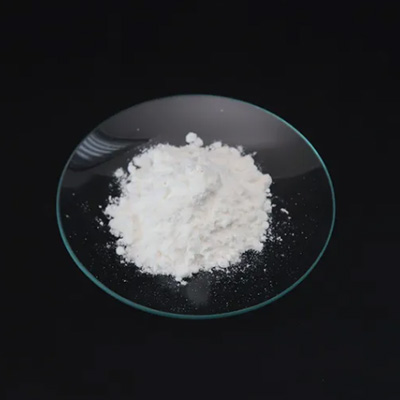
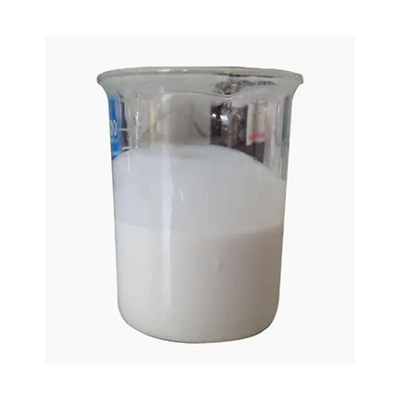
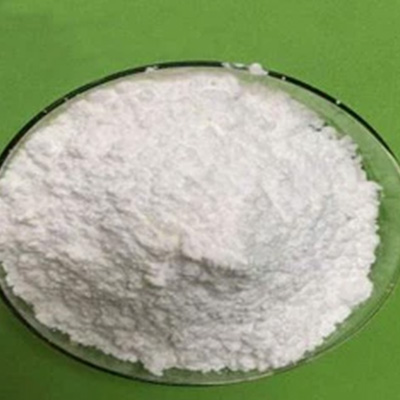
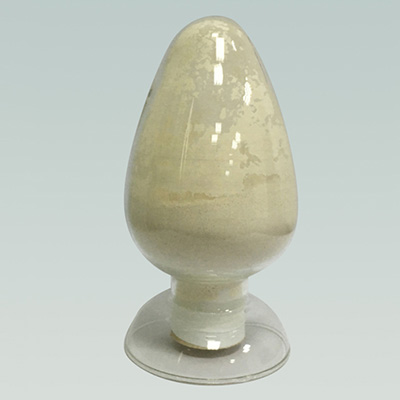
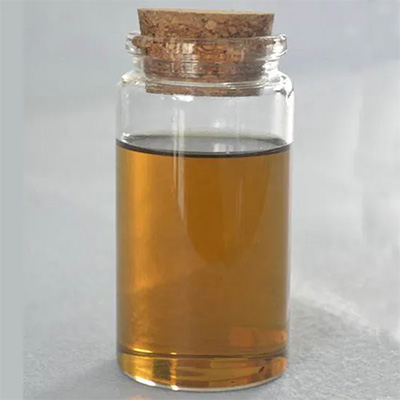
Color: White to Light, yellow to Light orange
Merck 14,7760
BRN 8155344
Physical and chemical properties: orange-yellow needle-like crystals. Insoluble in water, slightly soluble in ethanol, benzene, ethyl acetate, soluble in ether and hot acetic acid.
Pesticide fungicides
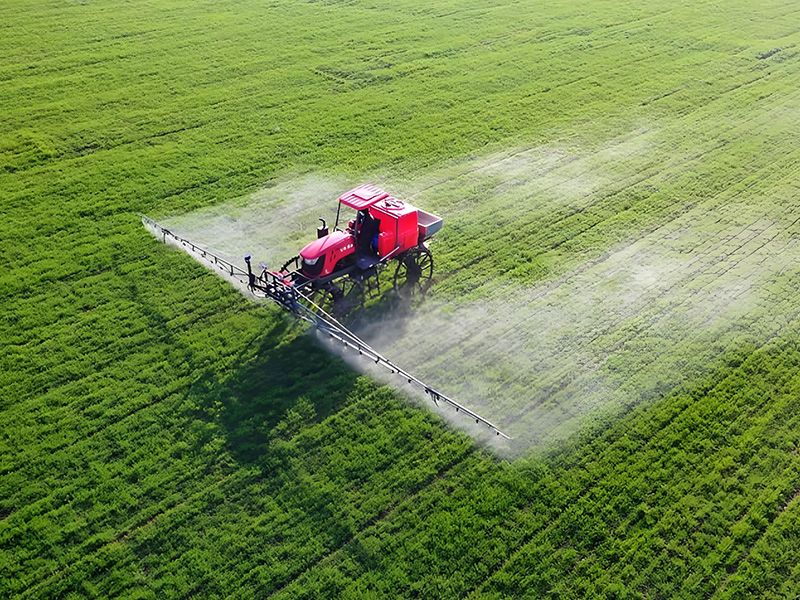
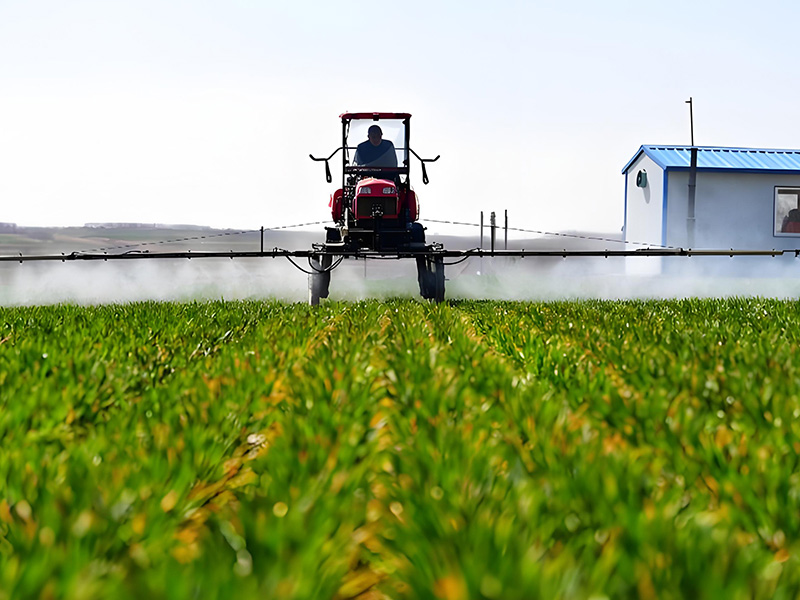
Prochloraz, also known as promycin, prochloraz, Shiboke, or Mixianan, is a broad-spectrum imidazole pesticide fungicide that works by inhibiting the biosynthesis of sterols. Although it does not have systemic absorption, it does have certain conductivity. It is highly effective against diseases caused by Ascomycetes and Haemophites in various crops, and can be mixed with most fungicides, insecticides, and herbicides, all of which yield good control results. Prochloraz has therapeutic and eradicative effects on various diseases on field crops, fruits, vegetables, turf, and ornamental plants. Control targets and usage methods: Prochloraz is suitable for rice, wheat, rapeseed, soybeans, sunflowers, sugar beets, citrus, grapes, bananas, and various vegetables and flowers. It can control rice seedling disease, rice blast, flax leaf spot, wheat Fusarium head blight, soybean anthracnose, brown spot, sunflower anthracnose, sugar beet brown spot, citrus anthracnose, stem rot, chlorosis, cucumber anthracnose, gray mold, powdery mildew, and lychee black rot. It is commonly used for fruit soaking or foliar spraying. Precautions: Prochloraz is stable at room temperature and neutral media, decomposes in concentrated acidic and alkaline media, and should not be mixed with strong acid or alkaline pesticides. Do not contaminate fish ponds, rivers, or ditches during application. Critical treatment: Prochloraz has developed phytotoxicity. The treatment measures are the same as for other phytotoxicity, namely spraying leaves with rutin (Yunda 120 or Shuofeng 481) per 10ml per bucket, preferably adding 25g cytokinin. Alternatively, spray each bucket with 3ml Aidoshou + 20g chitosan. Spraying with Jinyun Daquan fruit (a blend of brassicin and gibberellin) is also acceptable.
Sterilization mechanism
Prochloraz inhibits the biosynthesis of sterols within pathogens, preventing them from growing. It is highly effective against various diseases caused by ascomycetes and Haemenomycetes, especially effective against anthracnose in various crops.
Purpose
It is a broad-spectrum fungicide. It inhibits ergosterol biosynthesis, has protective and eradicative effects, and is highly effective against various Ascomycetes and Haemenomycetes diseases in various crops. It can be used to control many diseases on the stems, leaves, and ears of cereal crops, such as powdery mildew and leaf spot. The seed treatment concentration is 200~400 mg of active ingredient/L, and foliar spraying is 0.3~1.0 kg/hm2. This product can also be used on fruit trees, vegetables, mushrooms, turf, and many Chemicalbook pathogens on ornamental plants. Spray fruit trees and vegetables before harvest, with recommended concentrations of 20~50g/100L, and 250~1000mg/L for soaking after harvest. Can be mixed with various fungicides, insecticides, and herbicides.
Purpose
It can prevent and control many diseases affecting cereal crops, field crops, fruit trees, vegetables, and more, such as rice blast, as well as other leaf spot and powdery mildew. Calibrating instruments and devices; Evaluation methods; Work standards; Quality assurance/quality control; Others.

Quality Assurance
We strictly follow FAO standards, implement full‑process quality inspection and provide official COA & MSDS for every batch of pesticide products.

Strict quality control
Full-process inspection, the products meet both domestic and international quality standards.

Factory Direct Competitive Pricing
Direct supply from original pesticide manufacturer cuts intermediate links to offer you cost‑effective technical materials and finished formulations.

Extensive Ready Stock
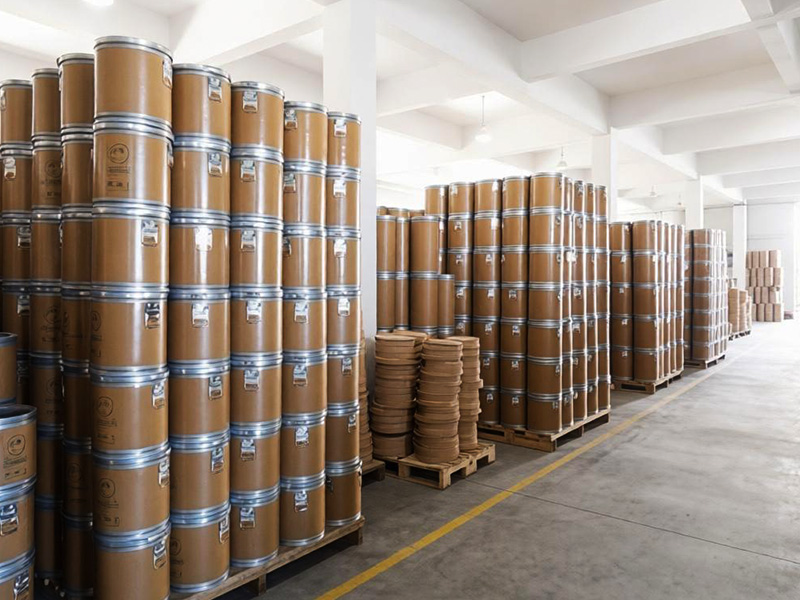
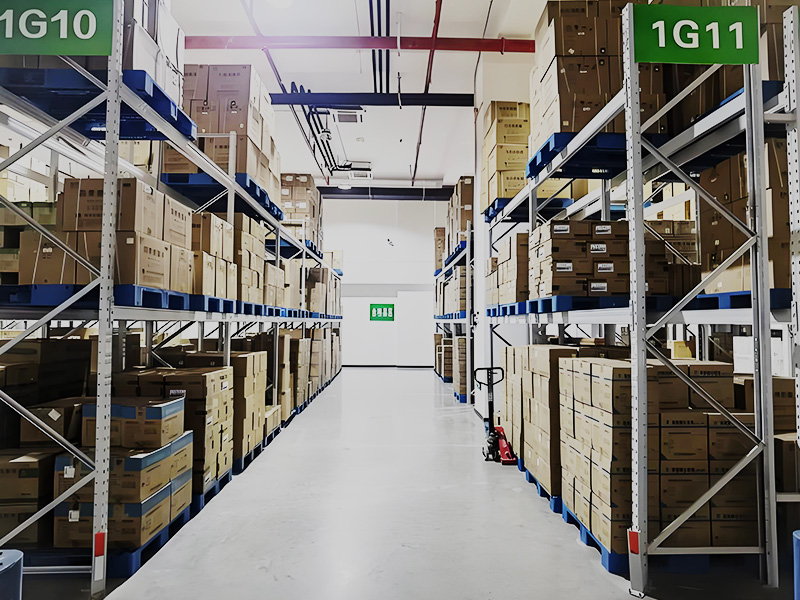
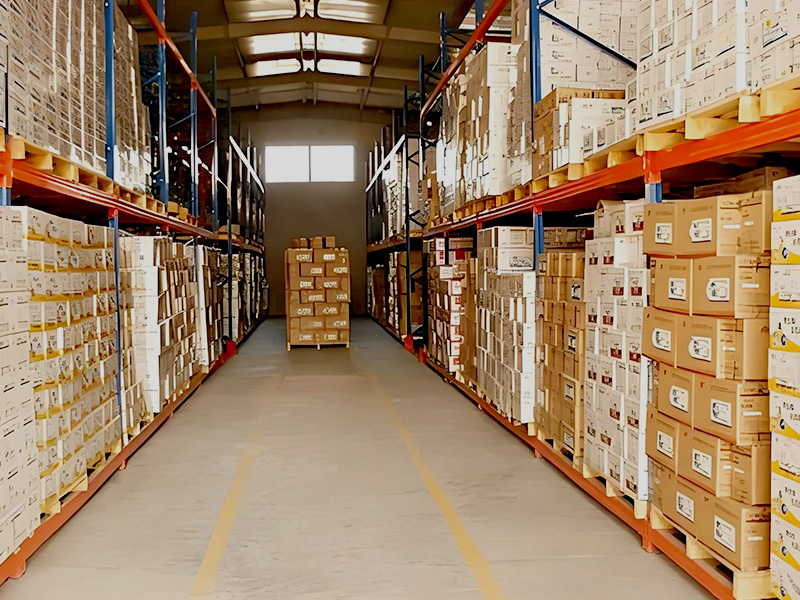
Large‑scale standardized warehouse keeps abundant stocks of mainstream pesticide technicals and formulations for fast order delivery.

Efficient and reliable delivery
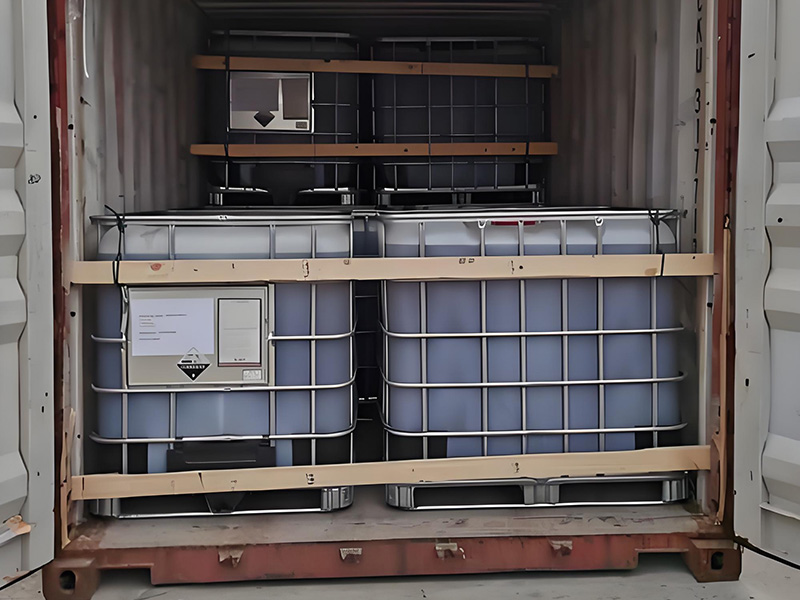
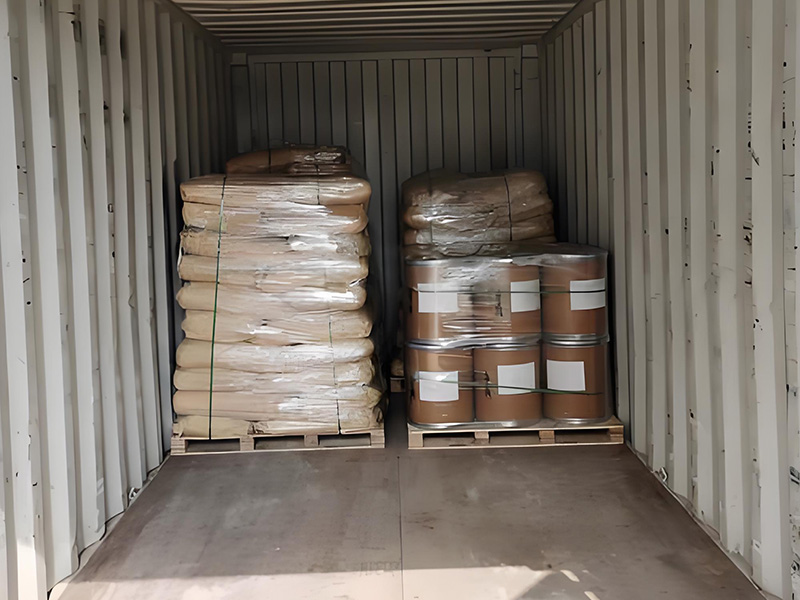
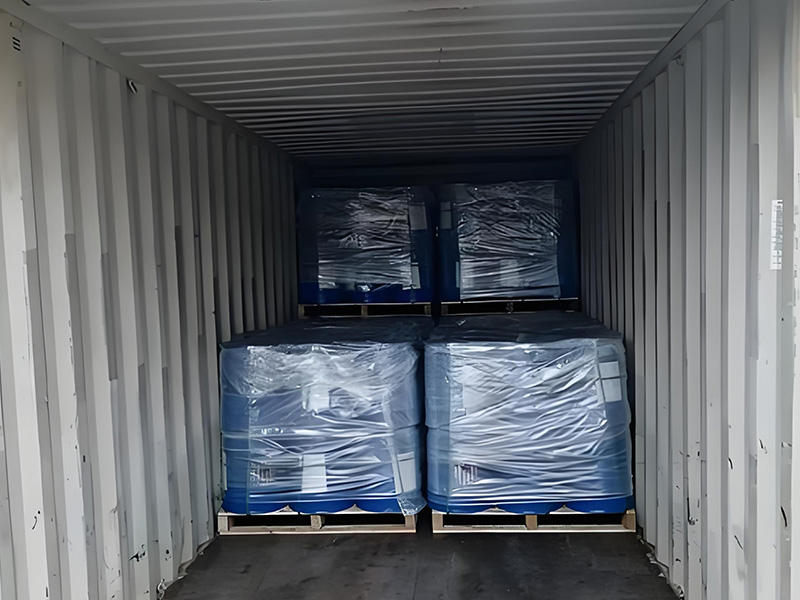
We cooperate with mature dangerous‑goods freight forwarders to realize stable sea shipment and on‑time delivery for global pesticide orders.

Customer-Oriented Service
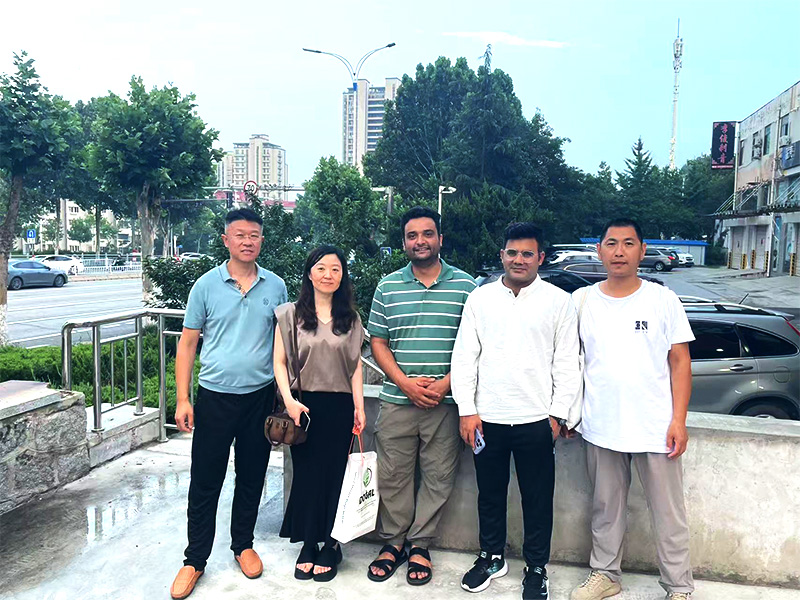
Our professional pesticide export team offers 24/7 support, covering inquiry, registration document support, OEM and after-sales technical guidance.